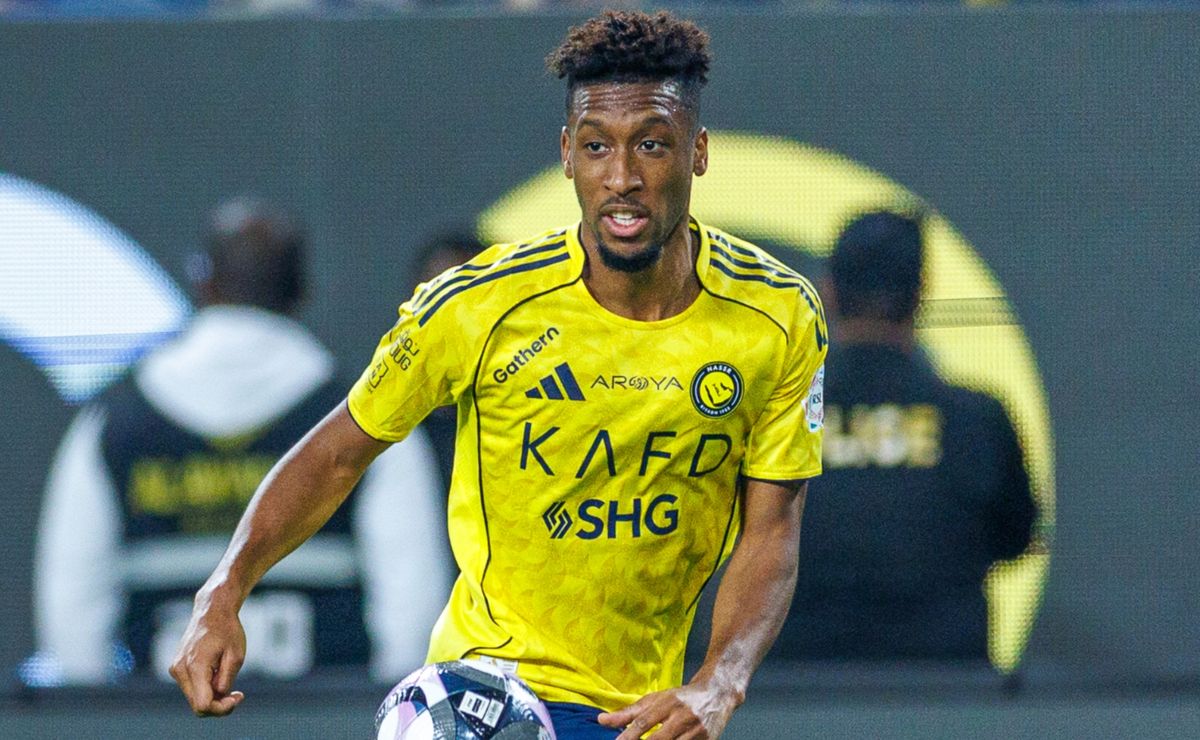
Despite helping Cristiano Ronaldo break his trophy drought at Al Nassr, Kingsley Coman will be missing the 2026 World Cup. Kingsley Coman emerged as one of Cristiano Ronaldo’s most dynamic partners during the 2025-26 season, playing a fundamental role in Al Nassr lifting the Saudi Pro League title. However, despite his pivotal contributions to the Saudi side, Coman will be notably absent from the 2026 World Cup. Determined to break Ronaldo’s trophy drought, Al Nassr made waves in the summer transfer window, landing Kingsley Coman from Bayern Munich as a marquee signing. With Sadio Mane anchoring the left wing, Coman was deployed on the right flank, quickly establishing himself as one of the league’s brightest stars in his debut campaign. Across all competitions, Coman racked up 16 goals and 12 assists over 41 appearances with Al Nassr, finishing the year as the team’s third-highest scorer and second-best playmaker. The only players to surpass his goal tally were Cristiano Ronaldo (30) and Joao Felix (26), both of whom occupied central attacking roles rather than playing out wide, adding extra merit to the Frenchman’s stellar production. Why isn’t Coman playing in the 2026 World Cup? Coman’s absence from the 2026 World Cup comes down to a strict tactical decision by manager Didier Deschamps. Despite Coman’s elite form throughout the 2025-26 club season, the France boss first dropped him during the November international break, and the winger hasn’t featured for Les Bleus since. Sagiv Yehezkel of Israel runs with the ball under pressure from Kingsley Coman of France. A primary driver behind the exclusion is France’s youth movement on the flanks. With Desire Doue and Michael Olise emerging as bona fide breakout sensations over the last few seasons, Deschamps opted to round out his winger depth with younger talent like Bradley Barcola, Rayan Cherki, and Maghnes Akliouche, ultimately freezing Coman out of the rotation. Coman’s declining minutes and friction behind the scenes also played a major factor. L’Equipe reported back in 2024 that after logging just 15 minutes during the Euros in Germany, Coman had a “miserable experience” that led him to seriously consider retiring from international duty entirely. After being left out of the UEFA Nations League Final Four in June 2025, Coman did briefly return to the national team for the September and October international windows, appearing against Iceland and Azerbaijan during World Cup qualifying. Ultimately, those performances failed to sway Deschamps, leaving the veteran winger off France’s final World Cup roster.
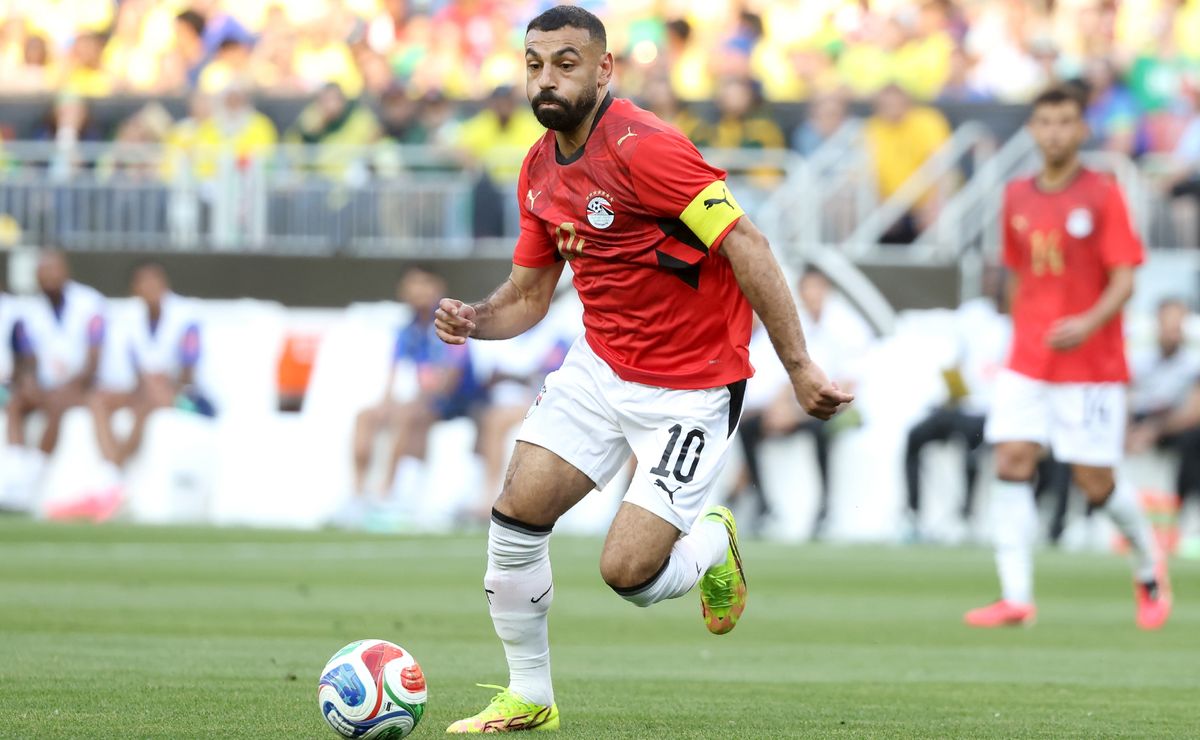
Full preview of Egypt for the 2026 World Cup, including squad breakdown, key players, and tactical analysis of their chances. Egypt returns to the global stage searching for their first tournament victory. As seven-time African champions, the national team has historically dominated continental play but struggled to replicate that success internationally. This summer represents a defining moment, serving as the likely final opportunity for legendary forward Mohamed Salah to cement his legacy on the biggest stage. Led by former striker Hossam Hassan, the roster blends elite European talent like Omar Marmoush with a hardened domestic core from Al Ahly and Zamalek. Currently ranked 28th globally, the team enters the 2026 World Cup with realistic ambitions of advancing past the group stage. The following breakdown covers their tactical setup, coaching leadership, and overall tournament outlook. Team profile CategoryDetailCoachHossam HassanCaptainMohamed SalahNicknameThe PharaohsFIFA ranking28thConfederationCAFGroupGroup GBest World Cup resultRound of 16 (1934)World Cup appearances4Last World Cup appearance2018 How Egypt play Hossam Hassan deploys a disciplined tactical system designed to exploit transition spaces. The team typically sets up in a compact 4-2-3-1 formation, though the coaching staff will shift to a 3-4-1-2 shape when matchups require additional defensive solidity. Defensively, the side is remarkably tough to break down. During their recent qualifying campaign, they conceded just 0.2 goals per game, establishing one of the tightest defensive records in African soccer. This compact shape forces opponents wide and protects the central areas effectively. In possession, the strategy relies heavily on quick transitions and getting the ball to their elite attackers in isolated situations. Salah operates with freedom to drift centrally from the right flank, occupying half-spaces and making runs behind the defensive line. Meanwhile, the midfield double pivot focuses on ball recovery and rapid distribution rather than sustained possession. This organized, counter-attacking approach makes them a dangerous opponent capable of frustrating top-tier teams in North America. Hossam Hassan: The coach behind Egypt Appointed in February 2024, Hossam Hassan is a revered figure in Egyptian soccer. Before stepping onto the touchline, he established himself as one of the greatest strikers in African history, remaining the national team’s all-time leading scorer with 69 goals across 177 caps. Hassan is known as a fiercely passionate leader who demands strict discipline and intense focus from his roster. He brings a wealth of domestic coaching experience, having managed prominent clubs like Zamalek and Pyramids FC. This summer marks his managerial debut on the global stage. He will make history as the first person to represent the nation at this tournament as both a player—having played every minute of their 1990 campaign—and a head coach. Key player: Mohamed Salah Approaching his 15th year in the national setup, Mohamed Salah remains the undisputed heartbeat of the squad. The 34-year-old forward serves as the captain, primary playmaker, and main attacking threat. Operating primarily as an inverted right-winger, Salah is given the tactical freedom to roam centrally and dictate the offensive tempo. He sits second on the nation’s all-time scoring list with 67 goals, just two behind his current head coach. While his pace has naturally declined, his elite finishing and vision remain world-class. The team’s tactical success relies heavily on his ability to unlock compact defenses and convert transition opportunities. Egypt’s road to the 2026 World Cup Competing in CAF Group A, the team delivered a near-flawless qualification campaign. They finished the round completely unbeaten, securing 26 points from a possible 30 with eight wins and two draws. The squad displayed a dominant +18 goal difference, scoring 20 times while conceding only twice acros
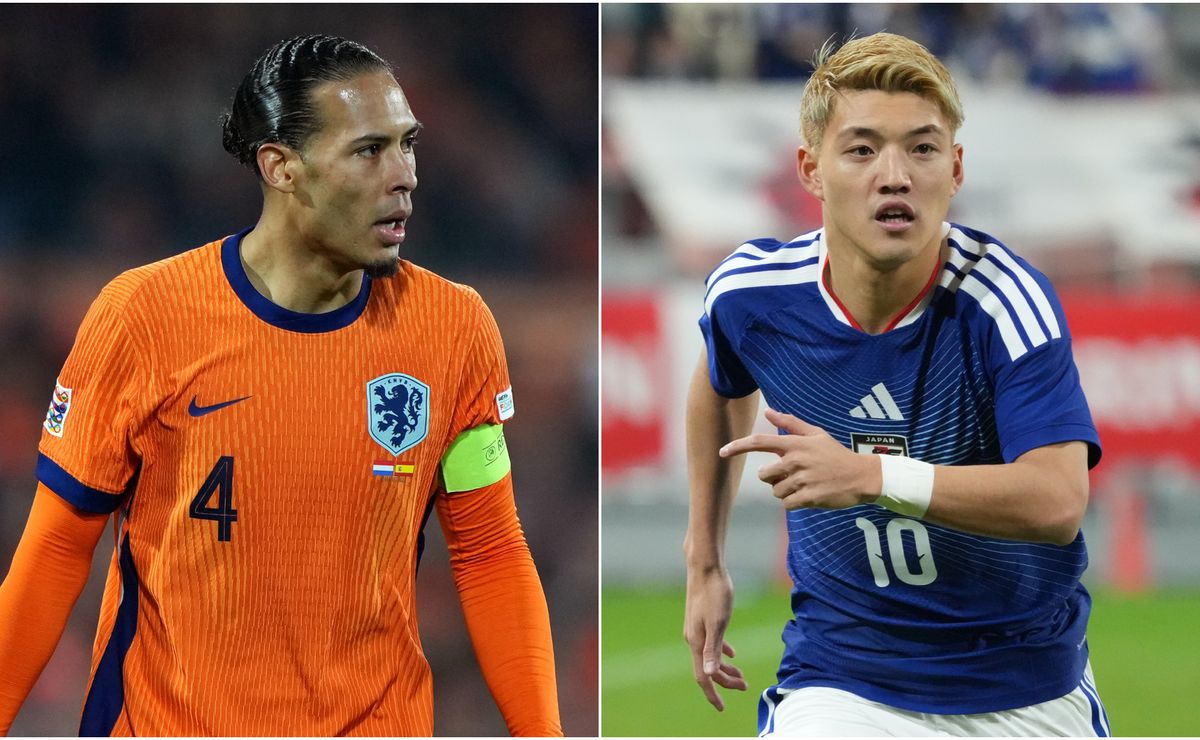
Netherlands vs Japan confirmed starting lineups for the 2026 World Cup Group F opener. See who is starting for the Oranje and Samurai Blue in Dallas. Group F of the 2026 FIFA World Cup gets underway with a blockbuster clash as the Netherlands face off against Japan. With a highly competitive group that also features Sweden and Tunisia, securing an opening-match victory is paramount for both nations’ knockout stage ambitions. The tactical battle is set with both Ronald Koeman and Hajime Moriyasu locking in their starting elevens. Both coaches have put out exceptionally strong sides, balancing defensive solidity with electric attacking outlets capable of exploiting space in transition. Netherlands Lineup Netherlands Starting XI: Bart Verbruggen; Denzel Dumfries, Jan Paul van Hecke, Virgil van Dijk, Micky van de Ven; Frenkie de Jong, Ryan Gravenberch, Tijjani Reijnders; Crysencio Summerville, Cody Gakpo, Donyell Malen. Koeman has set his side up in a balanced system designed to govern possession while remaining solid against Japan’s notorious counter-pressing style. Bart Verbruggen starts between the posts. The back four features Brighton’s Jan Paul van Hecke alongside the imposing Virgil van Dijk, flanked by the recovery pace of Micky van de Ven and the overlapping threat of Denzel Dumfries. In midfield, Frenkie de Jong returns to anchor the engine room next to the robust Ryan Gravenberch, allowing Tijjani Reijnders the freedom to push higher up the pitch. Up front, Cody Gakpo and Crysencio Summerville will look to cut inside from the wings to support central striker Donyell Malen. Japan Lineup Japan Starting XI: Zion Suzuki; Tsuyoshi Watanabe, Shogo Taniguchi, Hiroki Ito; Takefusa Kubo, Ritsu Doan, Kaishu Sano, Daizen Maeda, Daichi Kamada, Keito Nakamura; Ayase Ueda. Hajime Moriyasu fields a highly technical side structured to absorb Dutch pressure and hit rapidly on the break. Zion Suzuki starts in goal. With regular captain Wataru Endo tragically ruled out of the tournament due to a late injury, the leadership mantle falls upon a reshaped defensive and midfield spine. The backline lines up with Tsuyoshi Watanabe, Shogo Taniguchi, and Bayern Munich’s Hiroki Ito. Kaishu Sano slots into the defensive midfield roles alongside Daichi Kamada to handle the central zones. Out wide, Ritsu Doan and Keito Nakamura provide high-energy coverage on the wings. Takefusa Kubo suppors the attack with Daizen Maeda just behind lone talisman Ayase Ueda.
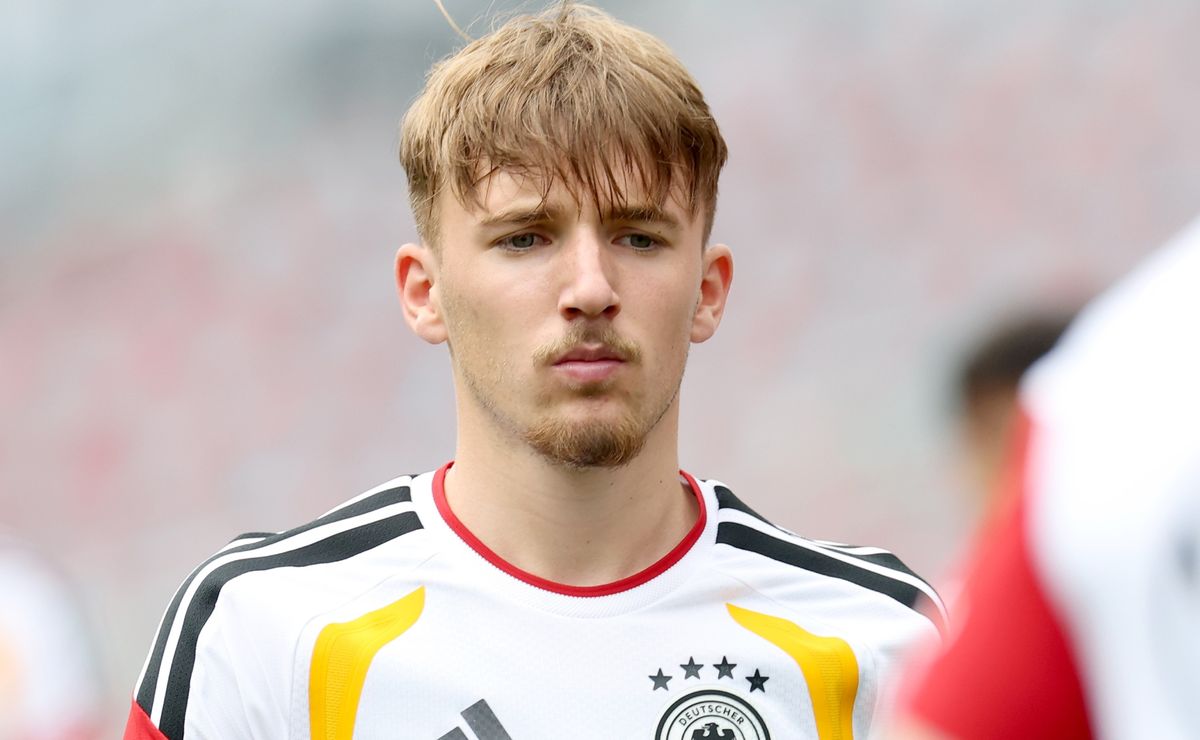
Germany will compete in the 2026 FIFA World Cup without Lennart Karl. Germany begin their 2026 FIFA World Cup Group E campaign on Sunday against tournament debutants Curacao at NRG Stadium in Houston, Texas. However, the European giants will be without Lennart Karl because of injury. The 18-year-old attacking midfielder was included by head coach Julian Nagelsmann in the 26-man squad that traveled to North America to compete for the trophy, but a muscle injury suffered during training on June 5 ended his chances of participating in the tournament. Karl earned his place with Germany thanks to his performances for Bayern Munich. After making his professional debut in the Bundesliga at just 17 years old, he quickly established himself as an important option for the German side, appearing in 40 matches during the 2025-26 season while recording nine goals and eight assists. Those numbers convinced Nagelsmann to call Karl into the national team, where he made his debut during the March FIFA window by coming on in the second half against Switzerland. After that, he made two more appearances, against Ghana and Finland, before the muscle injury sidelined him. Germany coach Julian Nagelsmann. As a result, Lennart Karl missed the opportunity to become the second-youngest player to appear in a World Cup for Germany. He would have made his potential tournament debut at 18 years and 109 days old, narrowly missing the record held by Youssoufa Moukoko, who played at Qatar 2022 at 18 years and three days old. Other Germany absences for the 2026 World Cup Lennart Karl’s injury was a significant blow for Germany. Not only did they lose a promising young talent who could have provided solutions at key moments during the tournament, but the timing of the setback also came just days before the competition began. However, other stars had already been ruled out because of physical issues. The first was Marc-Andre ter Stegen. Earlier this year, the goalkeeper decided to leave Barcelona — where he had lost his place in the starting lineup to Joan Garcia — in search of greater opportunities elsewhere. His destination was Girona, another La Liga club. However, he was barely able to play any official matches there because of a muscle injury suffered in February that sidelined him until May. Without regular playing time at club level, Julian Nagelsmann ultimately left him out of the World Cup squad and instead opted to bring back Manuel Neuer. The other major absentee for Germany is Serge Gnabry. The Bayern Munich forward was a key figure for the national team and appeared to have secured a place not only in the squad but also in the starting lineup. However, a serious adductor injury suffered in late April ruled him out of the tournament.
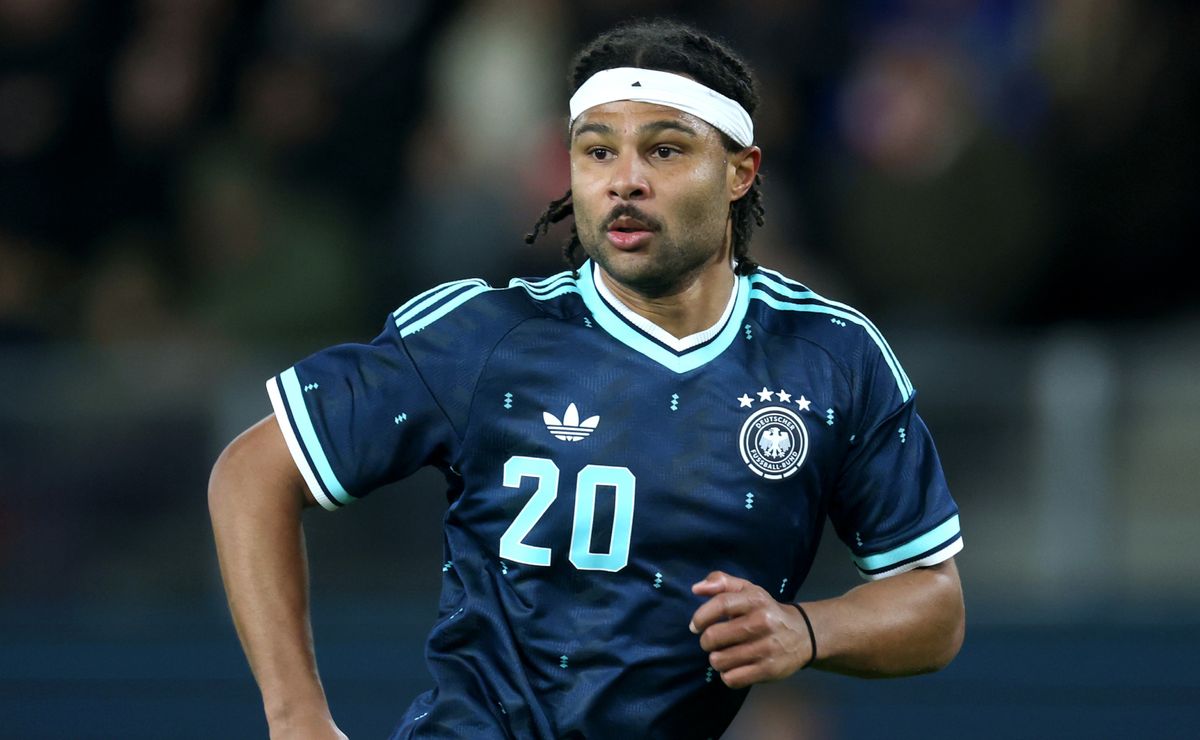
Germany will be without Bayern Munich star Serge Gnabry for their campaign at the 2026 World Cup. Germany heads into the 2026 World Cup with a clear mission: capture a fifth global crown to equal Brazil’s historic all-time tournament record. However, the Europeans will have to face the elite competition in North America without one of their primary attacking weapons, as forward Serge Gnabry has been officially ruled out of the tournament. Gnabry’s World Cup dreams were completely shattered after he suffered a severe tear in the adductor muscles of his right thigh. The injury occurred during Bayern Munich’s final training session right before their Bundesliga clash against Stuttgart, immediately sidelining him for the rest of the domestic season and the international summer. “The last few days have been incredibly difficult to process. A season with Bayern Munich that still had so much at stake after securing another Bundesliga title over the weekend. As for the World Cup dream with the German national team… unfortunately, that is over for me. Just like the rest of the country, I will be supporting the boys from home,” Gnabry wrote on his Instagram account. His absence is a devastating tactical blow for manager Julian Nagelsmann, who had viewed the 30-year-old as an indispensable starter on the flank. Gnabry had started every single match during the European World Cup Qualifiers, anchoring the attack with three goals and one assist. Serge Gnabry celebrates a goal for Germany. (Getty Images) To bridge the gap out wide, Nagelsmann will have to rely on the seasoned experience of Leroy Sane, or lean heavily into the dynamic young brilliance of Florian Wirtz and Jamal Musiala. Sidelined by injury ahead of a World Cup once again Tragically for Gnabry, this is not the first time his body has betrayed him right on the cusp of soccer’s grandest stage. Back in 2018, while enjoying a spectacular breakout season with Hoffenheim, the winger was a lock to make Joachim Low’s final squad for the tournament in Russia. However, a severe groin injury picked up in late spring forced him to miss out on the competition entirely. He did find his redemption four years later at Qatar 2022, cementing himself as a preferred starter under then-coach Hansi Flick. During that winter campaign, Gnabry started all three group stage matches. However, it turned into a historic disaster for Germany, as the powerhouse nation failed to advance to the knockout rounds, finishing third in their group behind Spain and Japan. Gnabry had hoped 2026 would be the cycle to right those wrongs, but he will instead have to wait until 2030 for his next shot at World Cup glory.
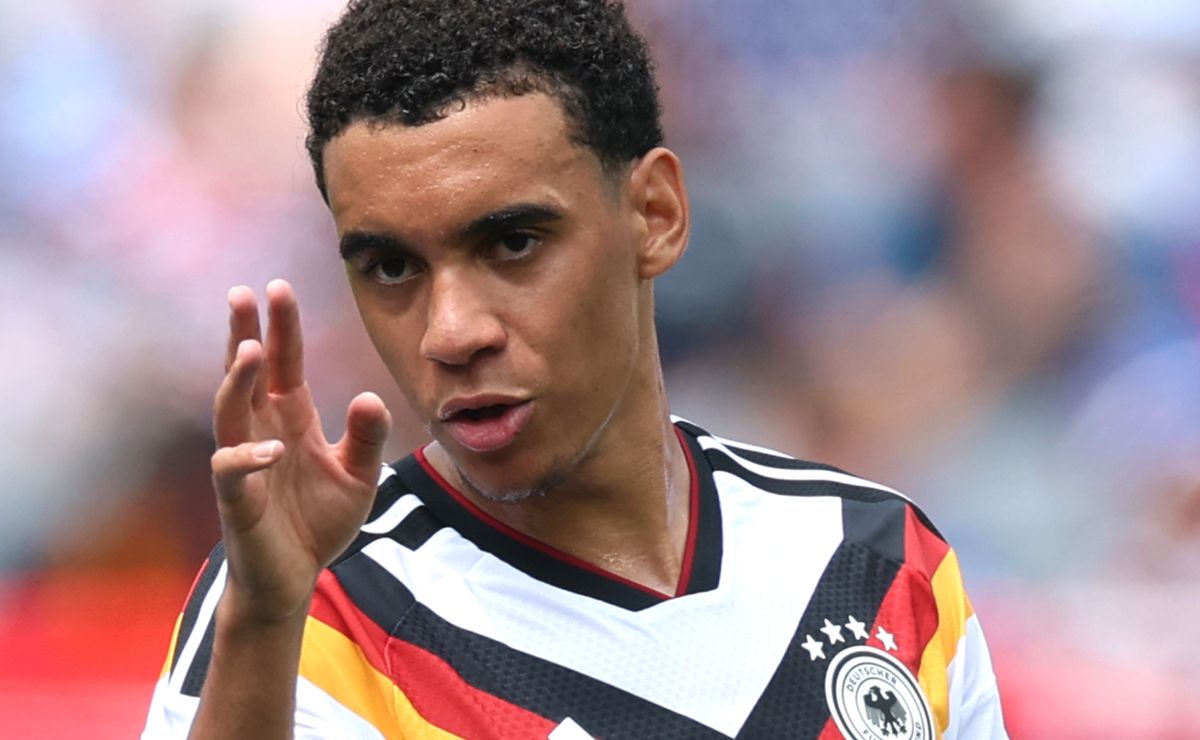
Full preview of Germany for the 2026 World Cup, including squad breakdown, key players, and tactical analysis of their chances. The German national team enters the 2026 tournament in North America aiming to restore its status among the global elite. Following consecutive group-stage exits in 2018 and 2022, expectations for this international soccer teams 2026 contender have shifted from guaranteed dominance to cautious optimism. Now under the guidance of Julian Nagelsmann, the squad blends seasoned veterans with a dynamic new generation of attacking talent. Ranked 10th globally, the team showcased a strong qualification campaign and a fourth-place Nations League finish. As one of the premier FIFA World Cup 2026 teams, this World Cup 2026 team preview will examine the Germany coach, tactical setup, and the squad depth needed to navigate the upcoming group stage. Team profile Head CoachJulian NagelsmannCaptainJoshua KimmichNicknameDie MannschaftGlobal Ranking10thBest Tournament ResultChampions (1954, 1974, 1990, 2014)Tournament Appearances21Last Appearance2022 How Germany play When examining the Germany tactical analysis, the squad typically utilizes a proactive 4-2-3-1 or a fluid 3-4-2-1 system. The Germany formation emphasizes high-intensity pressing, vertical passing, and rapid transitions. In possession, the team relies heavily on the creative movement of attacking midfielders like Jamal Musiala and Florian Wirtz to break down opposing defenses. Defensively, the squad pairs Antonio Rüdiger and Jonathan Tah as a stable central duo. However, structural gaps on the flanks remain a vulnerability, as seen when opponents utilize low blocks and counter-attacks to exploit space out wide. To address these marginal weaknesses, the coaching staff recently integrated specialist coaches focusing on set-pieces and physical conditioning. This refined tactical approach, balancing aggressive pressing with improved team cohesion, could be the defining factor in whether the squad navigates past the tournament’s elite knockout-stage contenders. Julian Nagelsmann: The coach behind Germany Appointed in September 2023, Julian Nagelsmann is preparing for his debut on the global stage as the Germany coach. Taking over after Hansi Flick’s dismissal, the 38-year-old coach quickly stabilized the national team, leading them to a quarterfinal run at the 2024 European Championship and securing a contract extension through 2028. Julian Nagelsmann, head coach of Germany (Getty Images). Nagelsmann built his reputation as a tactical innovator during successful club stints with Hoffenheim, RB Leipzig, and Bayern Munich. Known for utilizing in-depth data and modern training technology, he favors a high-intensity, adaptable playing style. While previously viewed as highly experimental, his recent focus on team unity over individual egos has restored pride among supporters. His ability to make precise in-game adjustments will be heavily tested as he attempts to guide this historic nation back to the knockout rounds. Key player: Jamal Musiala Operating primarily as a central attacking midfielder for Bayern Munich, Jamal Musiala is the undisputed creative engine for the national team. Since his international debut in 2021, the 23-year-old has accumulated 40 caps and eight goals, evolving into one of the most essential Germany key players. Despite a disrupted club season due to a severe ankle injury, Musiala recovered to help secure domestic silverware, finishing the campaign with five goals in 24 appearances. On the international stage, his elite dribbling and ability to drift into half-spaces make him vital for breaking down rigid defensive blocks. Germany’s road to the 2026 World Cup The squad secured direct entry to the upcoming tournament by dominating UEFA Group A, finishing with five wins in six matches. After suffering a surprising 2-0 defeat to Slovakia in Bratislava, the team responded with five consecutive victories to top their group. They scored 16 goal
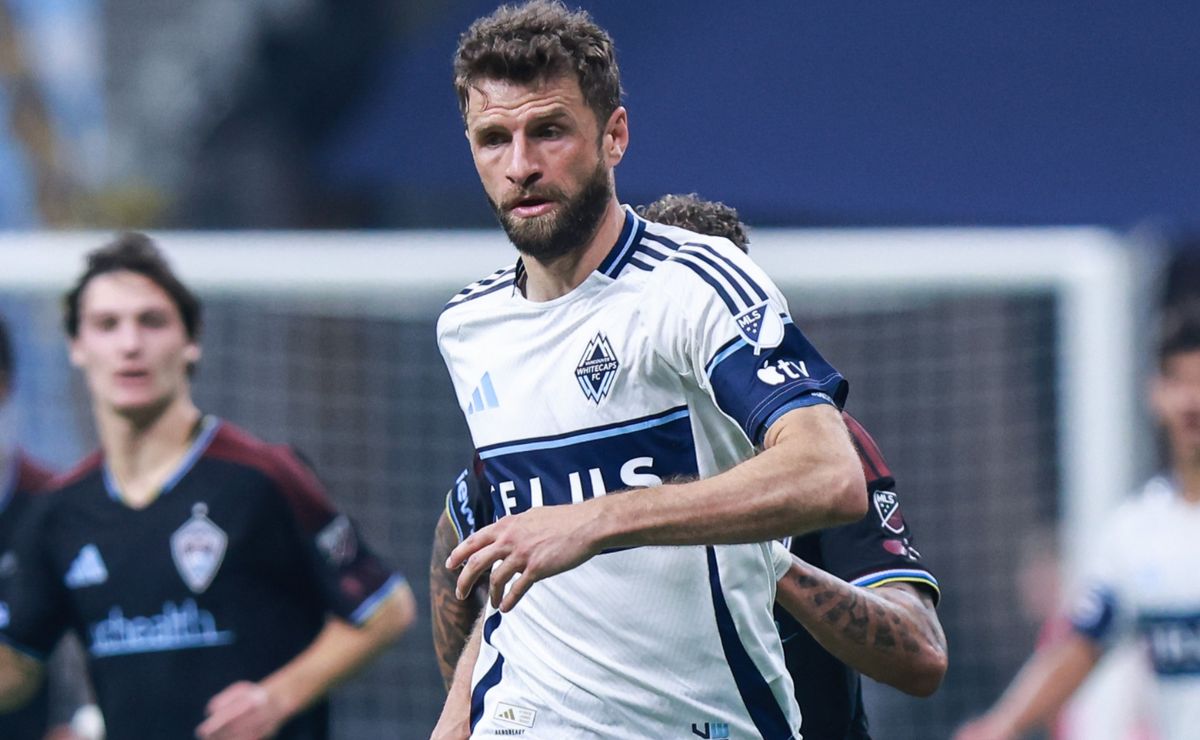
The list of former champions at the 2026 World Cup is missing player as Thomas Muller isn't competing for Germany. This competition makes heroes in every edition, but a player who made history with his team is not going to be at the 2026 World Cup, with Thomas Müller not representing Germany. The reason Müller is missing from the team is that the forward retired from Germany in 2024. His final match in the jersey in which he made history by lifting the trophy in 2014 was the Euro 2024 quarterfinal loss to Spain, played in front of their fans. While his experience could be a huge help for the young team that Germany currently has, Müller is already 36 years old. Leaving Bayern Munich for Vancouver Whitecaps also suggests the forward may no longer want to face the demands of the European level. Müller’s career with Germany A player who made an impact on a great generation from a young age naturally ends up with impressive numbers. Germany were dominant with players who were regular figures in the national team, and Müller was no exception. Müller lifted the trophy in 2014 (Clive Rose/Getty Images) It is not easy to enter the record books in a country like this, which makes Müller’s history even bigger, as he is the third player with the most appearances for Germany, with 131 matches, behind only Lothar Matthäus and Miroslav Klose. His name also appears high on the scoring list, even if he was not a pure goalscorer. Müller’s 45 goals put him sixth among Germany’s all-time top scorers, tied with Karl-Heinz Rummenigge in a legendary list. Müller’s farewell The edition that saw the forward shine in 2014 included the 7-1 semifinal win over Brazil that set a precedent. Müller’s performance that year was not limited to being a role player. His contribution of five goals and three assists in such a powerful team remains hard to match, which made his farewell video even more emotional. Müller said: “When I made my first appearance for the German national team, I would never have dreamed of all this. Great victories and bitter defeats. Sometimes at rock bottom, only to stand up again. Competing against the best players in the world alongside fantastic teammates, with whom I experienced countless unforgettable moments.”