
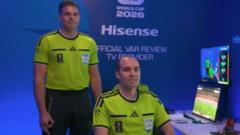
Video assistant referee Shaun Evans has denied "intentionally" making a hand gesture "to communicate a message, affiliation, game or belief of any kind" and claimed it was a "an involuntary, subconscious twitch" that he was "unaware" of.

In a recent post on X, journalist Philip Hinze mentioned that Sunderland are back in the race to sign Red Bull Leipzig full-back Lutsharel Geertruida permanently this summer. It has been stated that t...
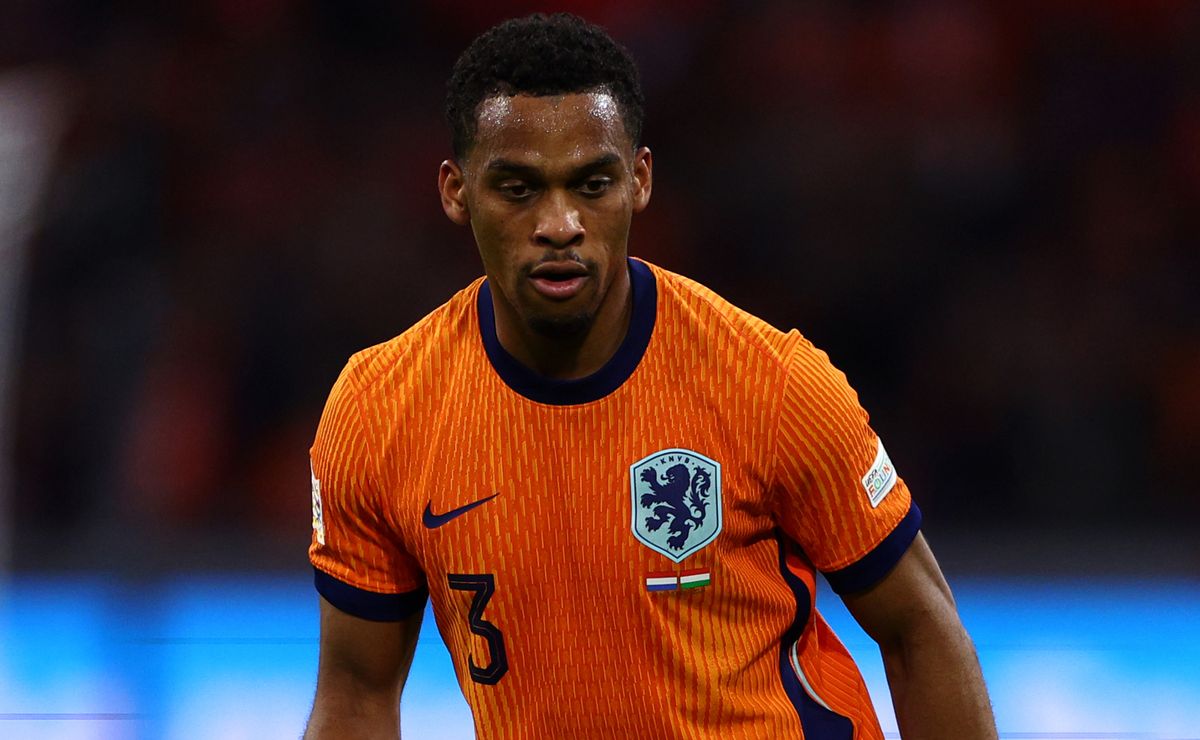
The Netherlands will face a tough defensive absence as Arsenal's Jurrien Timber has been officially ruled out of their 2026 World Cup campaign. The Netherlands enters the 2026 World Cup as one of the favorites to capture the title and finally secure the first-ever global star in the nation’s storied soccer history. However, as the Dutch prepare for their tournament run in North America, Oranje has been dealt a major setback. Versatile defender Jurrien Timber was officially omitted from the final 26-man roster. The 24-year-old Arsenal defender suffered a persistent groin injury during the final stretch of the club season. Despite aggressive rehabilitation efforts, he failed to return to 100% physical fitness in time to meet manager Ronald Koeman’s strict medical standards for the tournament. Interestingly, Timber did manage to make a high-profile appearance in Arsenal’s final match of the season, coming off the bench to play 55 minutes in a penalty shootout loss to Paris Saint-Germain in the UEFA Champions League final. While that brief return sparked optimism within the Dutch camp, the progress was short-lived. Once Timber arrived at the Netherlands‘ pre-tournament training camp in New York, the medical staff evaluated his condition after a friendly against Uzbekistan and determined that it was in the player’s best long-term interest to focus on a complete recovery. To fill the vacant spot on the roster, Koeman utilized FIFA’s late injury-replacement window to call up Sunderland right-back Lutsharel Geertruida. Jurriën Timber misses the 2026 World Cup.The 24-year-old defender has not recovered sufficiently from a groin injury to take part in the World Cup in a medically responsible manner. In consultation with the medical staff, it has therefore been decided that Timber will leave the… pic.twitter.com/r6Wu8FRCfP— OnsOranje (@OnsOranje) June 8, 2026 Koeman about Timber’s injury Mikel Arteta’s tactical gamble to feature Timber in the Champions League final generated significant debate and controversy back in the Netherlands. Prior to that match, the defender had spent roughly two months completely sidelined trying to heal the groin issue. Addressing the situation during a press conference, Koeman expressed frustration but stopped short of pointing fingers at the Premier League club, though he frankly admitted the Champions League minutes exacerbated the issue. “You can’t blame the club, and I don’t want to do that either,” the Dutch manager stated. “However, it is clear that those minutes did not help his recover“. Koeman further explained that while Timber might have been physically capable of logging occasional, sparse minutes later in the tournament, relying on an unfit player for a grueling World Cup campaign was out of the question for the coaching staff. “He has been out of shape for a long time and continues to present symptoms that do not subside quickly, which means he will not be ready to compete in the short term,” Koeman concluded. With Timber officially heading home to rest ahead of the domestic season, the Netherlands will now lean on their extensive defensive depth to anchor the backline for their upcoming Group F matches against Japan, Sweden, and Tunisia.
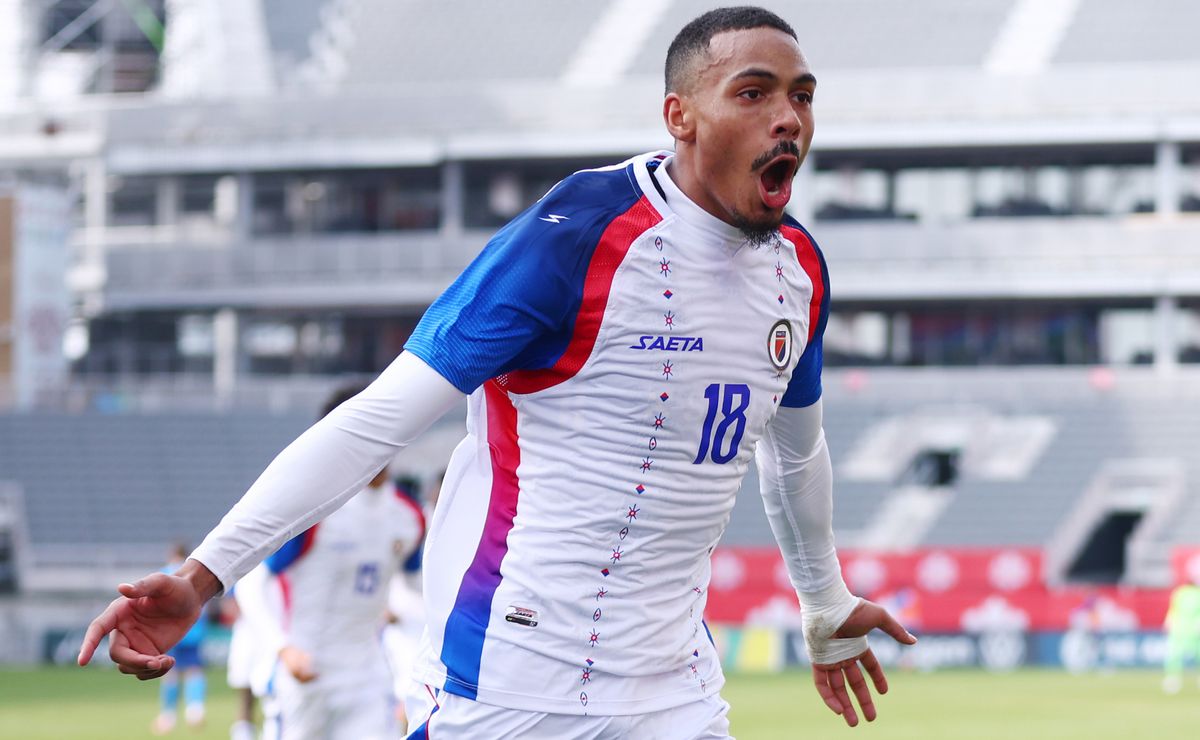
Full preview of Haiti for the 2026 World Cup, including squad breakdown, key players, and tactical analysis of their chances. Haiti returns to the international stage this summer as one of the most compelling stories of the tournament. Currently ranked 83rd globally, the national team has ended a 52-year absence, marking their first appearance at this level since 1974. Drawn into a challenging group alongside Brazil, Morocco, and Scotland, expectations are grounded in reality for the clear underdogs. However, a resilient defensive structure and an impressive qualification campaign provide genuine hope for earning the nation’s first-ever points on this stage. This World Cup 2026 team preview breaks down the tactical approach, highlights key personnel, and examines the Haiti 2026 World Cup squad depth that will define their North American journey. Team profile CoachSébastien MignéCaptainJohny PlacideNicknameLes Grenadiers, Le Rouge et BleuFIFA ranking83rdConfederationCONCACAFGroupGroup CBest World Cup resultGroup stage (1974)World Cup appearances2Last World Cup appearance1974 How Haiti play Sébastien Migné has built a tactical identity rooted in defensive resilience and structural discipline. Operating primarily in a deep defensive block, the team prioritizes staying compact and frustrating opponents. This approach proved highly effective during qualification, where they conceded just six goals across six matches in the final round. In possession, the squad relies heavily on quick transitions rather than sustained build-up play. Their defensive setup allows them to absorb pressure, but it often leaves them isolated in the attacking third. During the qualifying campaign, the team created opportunities but struggled with final-third efficiency, missing 16 big chances overall. Opponents will likely target their transitional vulnerabilities and attempt to break down the low block with sustained wide overloads. This Haiti tactical analysis reveals a team prioritizing defensive solidity over an expansive Haiti formation. Sébastien Migné: The coach behind Haiti Sébastien Migné took charge of the national team in June 2024 and successfully guided the program to its second-ever appearance at the global showpiece. Remarkably, the French manager has led the squad without ever stepping foot in the country due to ongoing domestic conflicts, relying entirely on neutral venues. Before taking this role, the Haiti coach built his resume across Africa, managing Congo, Kenya, and Equatorial Guinea. His leadership style emphasizes collective organization and mental toughness, traits that have quickly resonated with his current roster. Under his guidance, the team has lost just four of 15 competitive fixtures. Migné is widely respected for maximizing the resources available to him. His ability to foster unity and maintain focus amid external challenges will heavily influence how the squad handles the pressure of the tournament. Key player: Wilson Isidor Sunderland striker Wilson Isidor stands out as the primary attacking focal point among Haiti key players. After committing to the national team in March, the forward immediately made an impact, scoring in his second international appearance against Iceland. Isidor enters the summer following a productive debut campaign in the English top flight, where he netted six goals across 34 appearances. He consistently ranks in the top 20% of Premier League strikers for both shots and shots on target per 90 minutes. His tendency to play on the shoulder of the last defender makes him a constant transitional threat. Beyond his finishing, Isidor provides an exceptional work rate off the ball. If he suffers an injury, the team would lose its most reliable outlet for relieving pressure. Haiti’s road to the 2026 World Cup The qualification campaign highlighted a team capable of overcoming adversity. Entering the second round of CONCACAF qualifying, they finished second in their group before dominating the third roun

⚽️ Latest news and discussion as tournament continues⚽️ USA 4-1 Paraguay | Scotland become faithfuls or traitors ⚽️ Player guide | Bracketology | Wallchart | Mail WillLooking for some extra reading? Jacob Steinberg and David Hytner have delved into the making of Declan Rice, England’s midfield powerhouse, whose performances could feasibly be the difference between success and failure at this tournament.An optimistic prediction for Scotland here. While Haiti thrashing New Zealand 4-0 raised a few worried eyebrows, it should be noted that they lost 2-1 to Peru three days later. It’s always hard to judge a team by their warm-up matches given the wholesale changes, and Haiti do have some danger men like Duckens Nazon and Sunderland’s Wilson Isidor, but Steve Clarke’s side are still favourites. Continue reading...
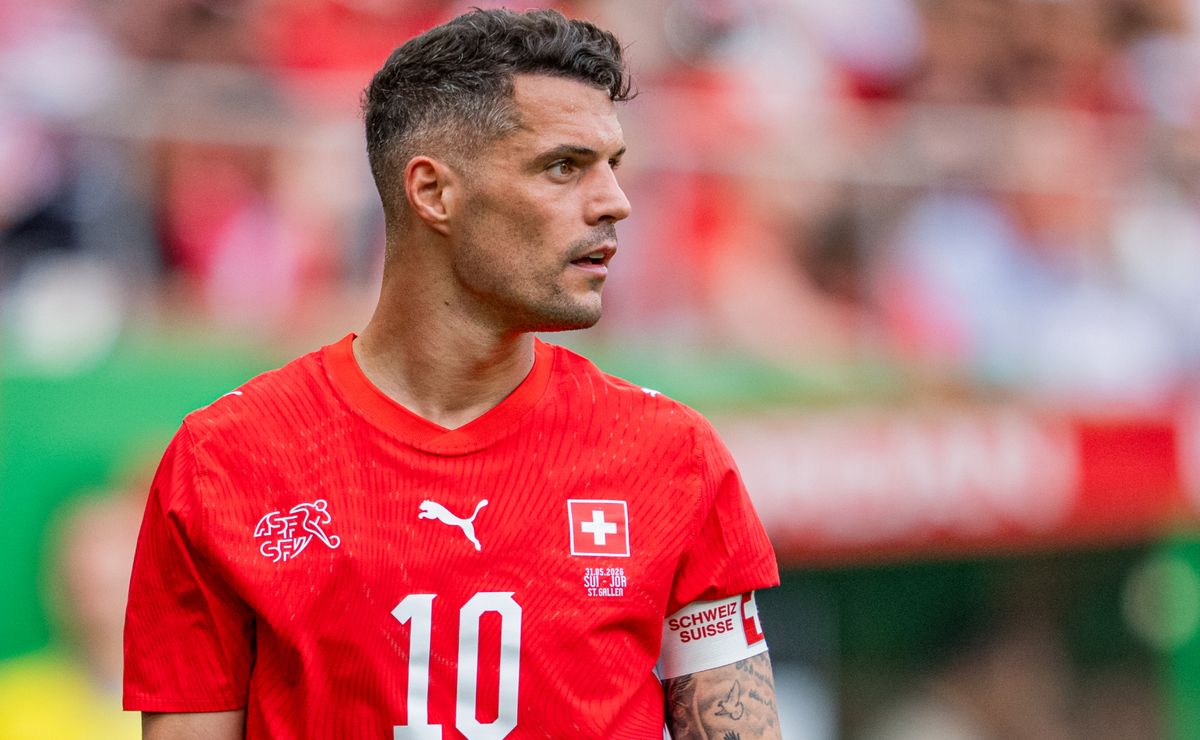
Full preview of Switzerland for the 2026 World Cup, including squad breakdown, key players, and tactical analysis of their chances. Switzerland enters the 2026 tournament as one of the most tactically disciplined sides in international soccer. Currently ranked 19th globally, the Swiss have built a reputation as a difficult opponent. They have reached the knockout stages in three consecutive global tournaments. Following the retirements of veterans like Xherdan Shaqiri and Yann Sommer, captain Granit Xhaka now leads a roster that blends experienced leadership with emerging talent. Drawn into Group B alongside Canada, Qatar, and Bosnia and Herzegovina, expectations are high for a deep run. This World Cup 2026 team preview breaks down the Switzerland tactical analysis, coaching philosophy, squad depth, and group-stage outlook ahead of the summer competition. Team profile CoachMurat YakinCaptainGranit XhakaNicknameA-Team, Nati, RossocrociatiFIFA Ranking19thConfederationUEFAGroupBBest Tournament ResultQuarter-finals (1934, 1938, 1954)Tournament Appearances13Last Appearance2022 How Switzerland play When evaluating international soccer teams 2026, the Switzerland formation stands out for its structural discipline and collective defensive solidity. Murat Yakin prefers a compact system that prioritizes closing down central spaces and frustrating opponents. During their recent qualifying campaign, the team showcased an elite defensive shape, conceding just two goals overall. In possession, the system flows through the midfield, where Granit Xhaka dictates the tempo with a high volume of accurate passes. The team transitions efficiently from defense to attack. They utilize the pace of wide players like Dan Ndoye and Rubén Vargas to exploit open space on the counter. While they lack a traditional, high-scoring center forward, the attacking burden is shared across the roster. Eight different players found the net during qualifying, highlighting their adaptable approach in the final third. They also average an impressive 5.33 shots on target per match, proving they consistently test opposing goalkeepers. Murat Yakin: The coach behind Switzerland Switzerland coach Murat Yakin took charge of the national side in 2021 and brings extensive experience to the touchline. Before stepping onto the international stage, he managed several top clubs in his native country, winning the domestic Manager of the Year award twice. Switzerland coach Murat Yakin (Getty Images). Yakin emphasizes defensive organization and tactical flexibility. Under his leadership, the team recorded 20 clean sheets over his first 57 matches. This highlights a coaching philosophy built on making his squad incredibly difficult to break down. Despite facing criticism during a difficult 2024 Nations League campaign, he successfully guided the team through a dominant qualification cycle. His calm leadership and proven ability to organize a resolute defense will be crucial factors this summer. Key player: Granit Xhaka When discussing Switzerland key players, Granit Xhaka remains the undeniable heartbeat of the midfield. Now 33 years old and playing for Sunderland, the captain provides invaluable experience and tactical intelligence. Xhaka controls the pace of matches with his exceptional passing range, consistently finding teammates in dangerous attacking areas. During the 2024 European Championship, he recorded a team-high 69.0 accurate passes per 90 minutes and created the most scoring chances for his side. Off the ball, his relentless work rate and positional awareness help disrupt opposing counter-attacks and shield the defensive line. If Xhaka were to miss time due to injury, the team would instantly lose its primary orchestrator and defensive anchor. Switzerland’s road to the 2026 World Cup The Swiss secured their spot in the 2026 tournament by putting together an unbeaten run through UEFA Qualifying Group B. After a winless Nations League campaign, they registered four victori

Stewart progressed up the ladder from the West of Scotland League with Ardeer Thistle and Kilwinning Rangers to Albion Rovers, St Mirren, Ross County and Sunderland before his switch to Southampton in 2023. Stewart earned his third Scotland cap as a substitute in their 4-0 victory over Bolivia at the weekend as Steve Clarke's side prepare to begin their World Cup campaign against Haiti on Saturday.
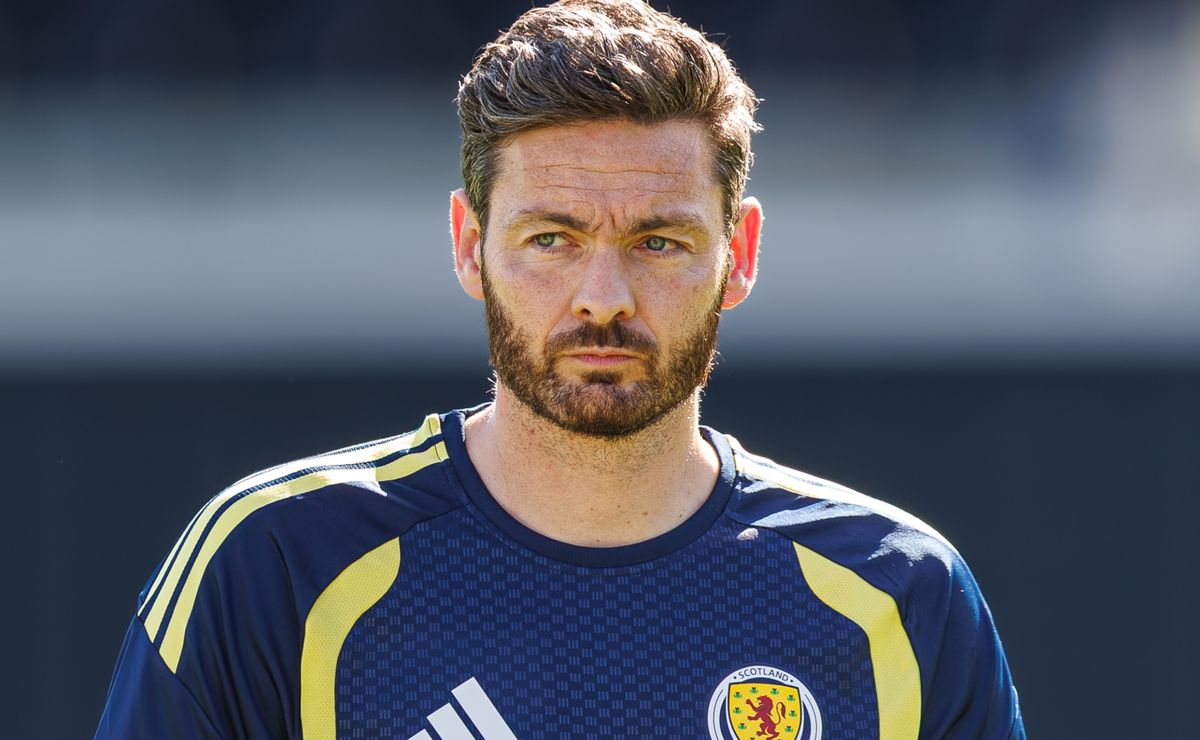
The record of oldest player at the 2026 World Cup goes to Craig Gordon, a goalkeeper that is representing Scotland. There is always one player who gets the honor of being the oldest in the competition, and at the 2026 World Cup that role belongs to Craig Gordon, who is set to put his name in the record books at the highest level of the sport with Scotland. The goalkeeper named in Scotland’s final 26-man squad is 43 years old, having been born on December 31, 1982, in Edinburgh. Gordon wears number 21 and is not expected to start, with Angus Gunn likely to get the nod between the posts. His career includes spells at Cowdenbeath, Sunderland, and Celtic, but Gordon started and currently plays for Heart of Midlothian, the club that has recently come close to breaking the “Old Firm” dominance in Scotland. Gordon was essential in the recent playoff matches for Scotland (Stu Forster/Getty Images) Gordon’s career For a player who made his professional debut in 2002, it is normal to see such a large number of matches. His club career totals 682 matches, with 84 more appearances for Scotland. Unlike older players who still play a major role on the pitch for their teams at the moment, Gordon has not been very active recently and has played only three matches, mostly as a backup. Gordon was called up for this competition by manager Steve Clarke because of the trust he has in him. He was chosen as the first option after an injury to Gunn for Scotland’s most important matches of the year, including the playoff games in which they beat Greece and Denmark. Record for oldest player ever Even if Gordon does not play this time, he would still not break the all-time record for the oldest player in World Cup history if he enters the field. That record belongs to Egypt goalkeeper Essam El-Hadary, who played at 45 years and 161 days old on June 25, 2018.

In a recent post on X, Voetbal International journalist Joost Blaauwhof mentioned that Sunderland are showing interest in signing Red Bull Leipzig defender Lutsharel Geertruida permanently this summer...