
Agropecuario · Liga Profesional Argentina · Defender · #6 · Argentina · 32 yrs
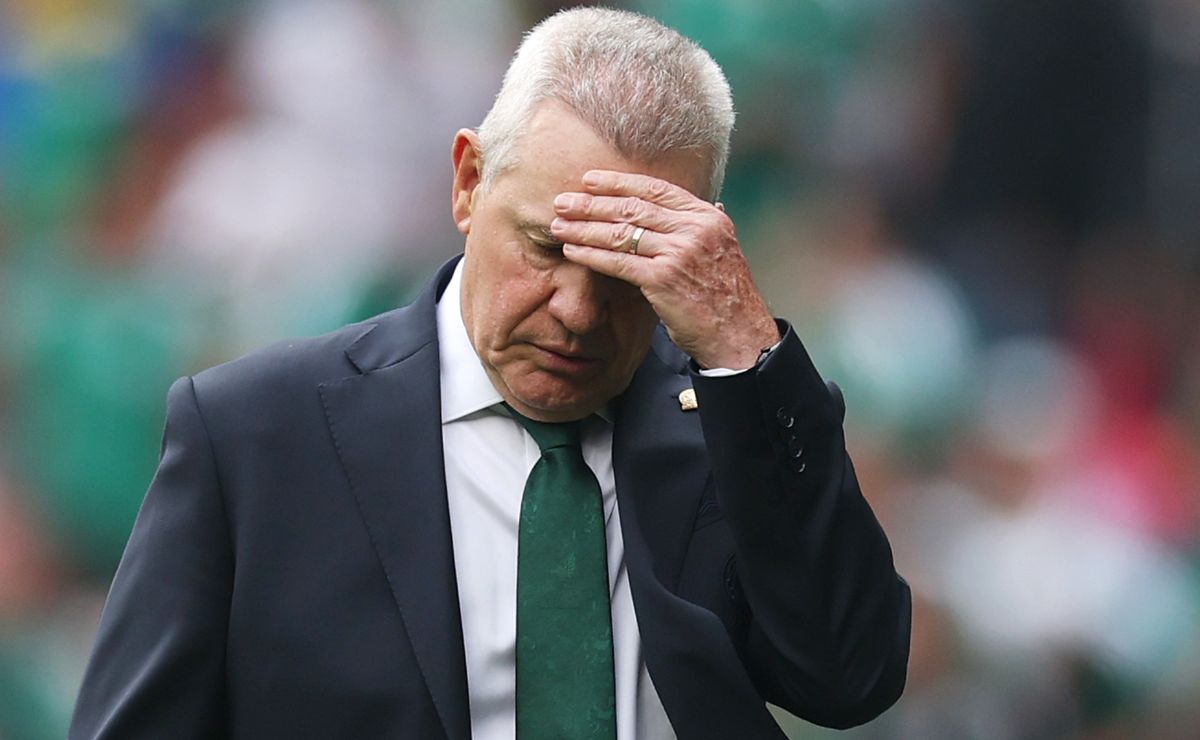
Mexico managed to demonstrate their individual quality and collective brilliance, defeating South Korea 2-0. Despite this, head coach Javier Aguirre revealed that he was frustrated with the team's performance and justified César Montes' red card, explaining an issue within the team. Demonstrating their individual quality, Mexico managed to defeat South Africa. To do this, Julián Quiñones emerged as a key figure, being the central axis of the offensive side. Along with this, they managed to constantly press their opponent, leaving them without ideas throughout the game. Despite this, head coach Javier Aguirre was very critical, making known the aspects he did not like and defending César Montes over his red card. “The game was expected to be 4-0…the nerves were a huge problem… I didn’t like the first half. They had the ball a lot. One more goal should have come. The sending-off of (César) Montes complicated things a bit. We lost the ball up front in a naïve way that irritates me. Then César had to take the risk,” Mexico‘s Javier Aguirre said in the post-game interview. Despite Mexico’s victory, there were several phases of the match that were quite evenly contested, something that did not please the head coach. With South Korea as their next opponent in the 2026 World Cup, they are looking for a much more dominant performance, especially in midfield, where they were unable to establish superiority. In addition, the defensive gaps were exploited by their opponents, something that could prove costly against the Asian side. César Montes’ red card did not destabilize Mexico’s victory, but it does expose defensive issues ahead of the match against South Korea. With their high press, they gain control, but they also leave space behind their defense, allowing quick teams to shine. Because of this, the 29-year-old defender’s red card exposes how fragile their stability can be against a dribbling, fast, and clinical team like the Asian side, their next opponent. Cesar Montes #3 of Mexico is tackled by Khuliso Mudau #20 of South Africa. Head coach Aguirre picks Montes replacement for South Korea game Even though Mexico managed to secure their first victory at the 2026 World Cup, they now have to face one of the toughest opponents in their group: South Korea. Without César Montes as the leader of the defensive line, they could struggle more than expected. While they have Luis Romo as a quality alternative, head coach Javier Aguirre has chosen Edson Álvarez as his replacement in central defense. “After César (Montes)’ red card, it is very likely that Edson (Álvarez) will play as a center-back,” said Aguirre in the latest press conference. With the 28-year-old star, they would gain incredible ball progression, defensive solidity, and brilliant tactical awareness. Although he does not arrive with much competitive rhythm from Fenerbahçe, he already impressed in the limited minutes he played and could do so again against South Korea.
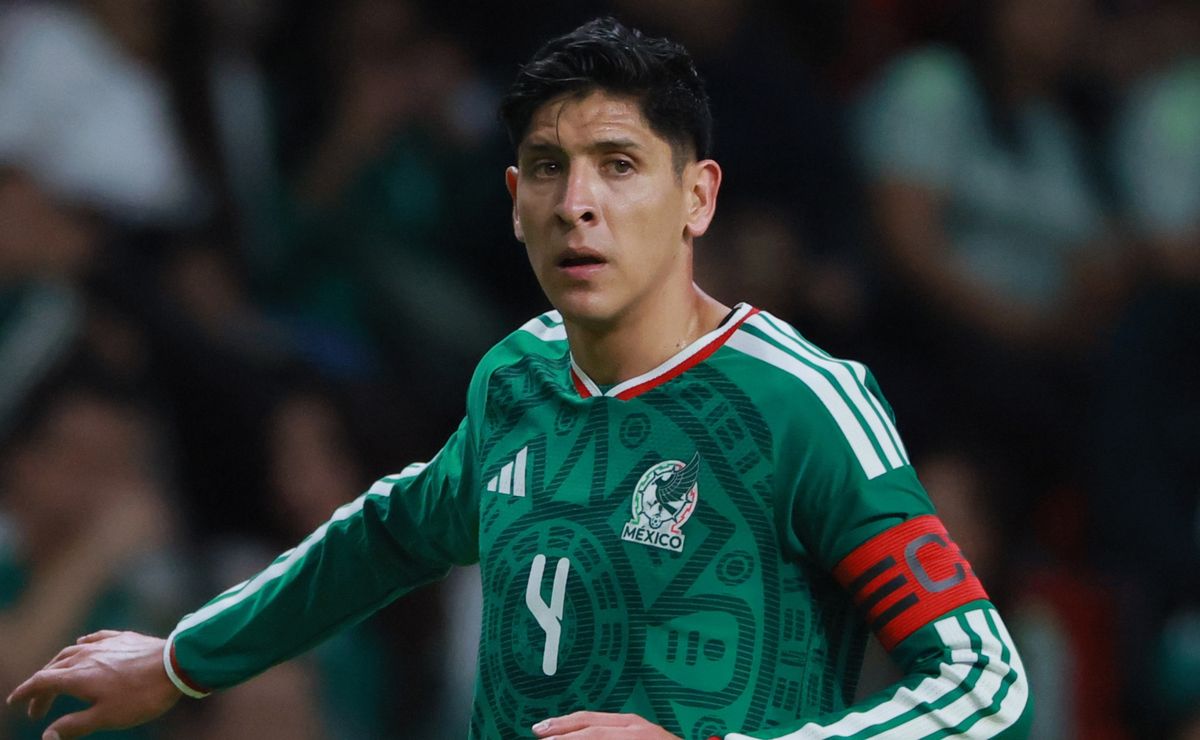
With the official lineups released for the opening game of the 2026 World Cup between Mexico and South Africa, Edson Alvarez's absence in the starting XI raised questions among the fans Mexico and South Africa are set to clash on Thursday, June 11, to kick off the 2026 World Cup in front of a raucous, sellout crowd at the iconic Estadio Azteca. When the starting lineups were unveiled an hour before kickoff, eyebrows were immediately raised across North America as superstar midfielder Edson Alvarez was noticeably absent from El Tri’s starting XI. Alvarez has been left out of the lineup against South Africa due to a purely tactical decision by manager Javier Aguirre. While the West Ham standout has fully recovered from a recent ankle injury, a lack of game fitness and competitive minutes ahead of the tournament prompted the head coach to opt for other options to open the tournament. Against South Africa, Erik Lira will anchor the spine of the midfield in Alvarez’s place, while center-back Cesar Montes will assume leadership duties on the pitch, wearing the captain’s armband. Nevertheless, expectations remain high that the veteran midfielder will come off the bench to see some action in the second half, a strategy Aguirre mirrored during the team’s pre-World Cup warm-up friendlies. Alvarez’s ankle injury, a constant concern throughout the 2025-26 season Despite his status as the anchor of the engine room and captain of the Mexican national team, Edson Alvarez’s right ankle has turned into a major obstacle on his road to top fitness for the World Cup. His problems began to compound in early 2026, to the point that he was limited to just a handful of appearances for Fenerbahçe during the calendar year. Edson Alvarez of Fenerbahce. In mid-February, in order to resolve his recurrent discomfort and save his World Cup dream, Alvarez underwent corrective surgery on his ankle. The midfielder finally made his long-awaited return to the pitch nearly three months later on May 2 against Istanbul Basaksehir, where he was eased into action for just a single minute. Forgoing any post-season vacation, Alvarez immediately flew to Mexico to join Aguirre’s training camp in mid-May to focus entirely on his rehabilitation. He gradually built up his match fitness by featuring in all three of Mexico’s pre-World Cup international friendlies leading up to the tournament. He was subbed on at halftime during the clash against Ghana on May 22, logged 60 crucial minutes as a starter in a 1-0 victory over Australia, and completed his warm-up cycle by coming off the bench in the second half of a 5-1 rout against Serbia.
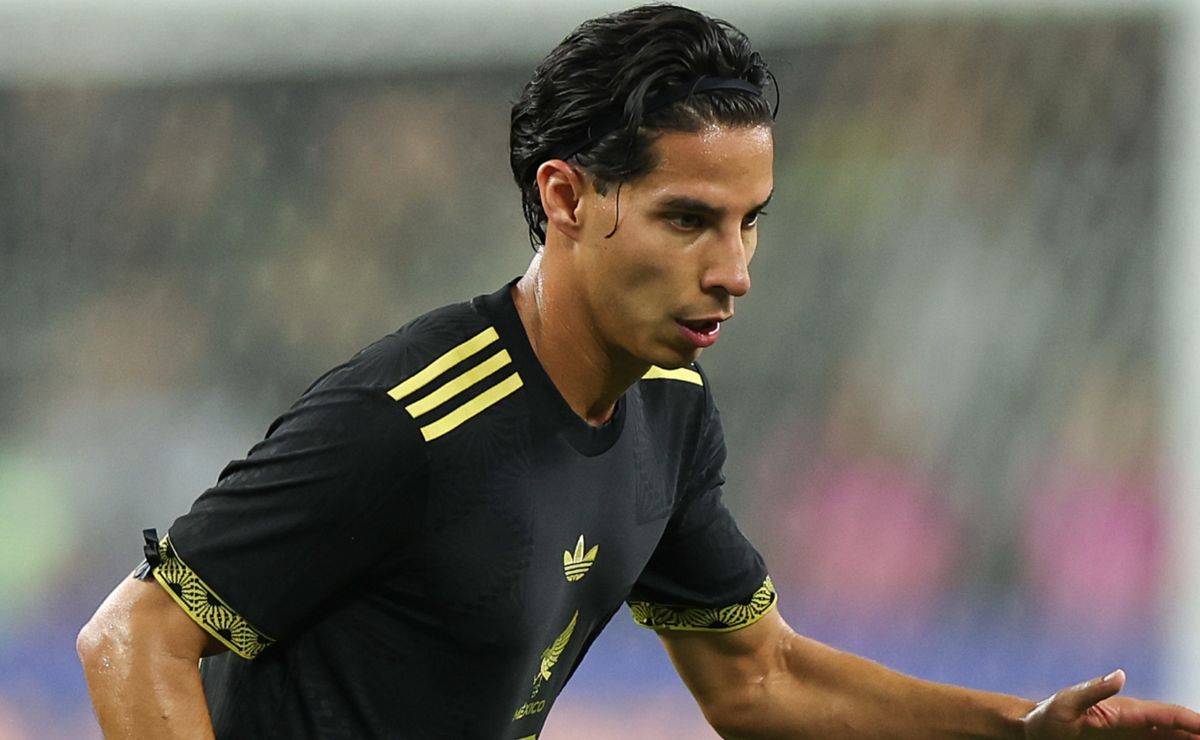
Despite once being regarded as one of Mexico's brightest prospects, Diego Lainez has been left out of the 2026 World Cup squad. While he is an undisputed starter for Tigres UANL, head coach Javier Aguirre has decided not to include him in his plans since January 2026. Following Javier Aguirre’s arrival, Mexico have managed to reestablish as one of the best national teams in CONCACAF. By relying on young players, they have built a roster that is well balanced between experience and youth. However, Diego Lainez has been left out of the 2026 World Cup roster, going from being one of the country’s brightest prospects to being overlooked by the head coach. Diego Lainez managed to regain consistency after joining Tigres UANL. Although he failed to shine in Europe, he became an undisputed starter for his club, excelling as a right winger. Across 49 matches, the 26-year-old star has recorded 6 goals and 9 assists, establishing as a fairly consistent player in the league. However, he has not returned to the Mexico national team since January 2026. Head coach Javier Aguirre has decided to radically change his attacking approach, leaving out Lainez, who failed to stand out within his roster. While he has enjoyed plenty of playing time at Tigres UANL, he has not been a notably productive player. In addition, he is not a player who particularly shines at a collective level, meaning his last appearance for the national team came in the friendly against Bolivia. Who will take Diego Lainez’s place on the Mexican national team? Throughout Mexico’s most recent matches, Javier Aguirre has favored players who provide a strong pressing presence. Because of this, Diego Lainez’s absence becomes quite understandable. In his place, the head coach has decided to rely on Roberto Alvarado, who shines for Chivas Guadalajara and contributes significantly to the collective play, helping to elevate the performances of his teammates. Diego Lainez of Mexico looks on. Ahead the 2026 World Cup, Aguirre could also rely on César Huerta as the backup option on the right wing. At just 25 years old, he has shone at Anderlecht and adapted impeccably to Mexico’s collective needs. However, both players need to step up and increase their productivity, as there does not appear to be an undisputed starter in that position. If Diego Lainez wants to regain his place in the Mexico under Javier Aguirre, he would need to improve his defensive work rate, which has been quite limited with the national side. In addition, he may need to recover his best form in terms of end product. At just 26 years old, he still has a chance of returning to the team in the future, but he would need to evolve his game to better fit the collective needs of the squad.
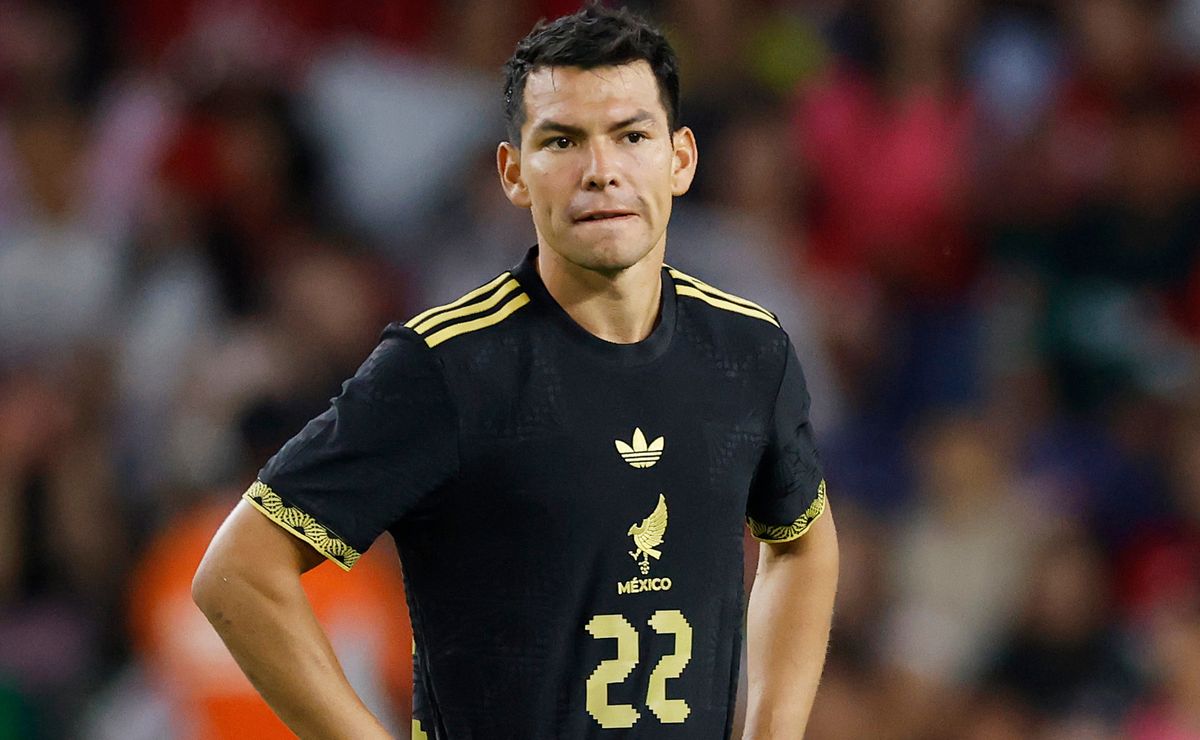
Hirving Lozano, one of the most recognizable figures of his generation, will not be part of the national team’s campaign, leaving many wondering why one of El Tri’s most famous stars is missing from soccer’s biggest stage. With Mexico hosting the FIFA World Cup for a historic third time, one notable absence has generated significant discussion among supporters. Hirving Lozano, one of the most recognizable figures of his generation, will not be part of the national team’s campaign, leaving many wondering why one of El Tri’s most famous stars is missing from soccer’s biggest stage. The winger’s absence comes as Mexico enters the tournament with high expectations after winning the 2025 CONCACAF Gold Cup and earning the privilege of opening the tournament against South Africa. While attention is focused on the squad selected by coach Javier Aguirre, questions surrounding Lozano continue to dominate conversations ahead of kickoff. Mexico enters the 2026 World Cup carrying both opportunity and pressure. The national team has qualified for 18 World Cup tournaments, and this year marks the first time the country has hosted the competition three times, having previously staged the event in 1970 and 1986. Under veteran coach Javier Aguirre, the national team hopes to capitalize on home advantage and finally move beyond the barriers that have frustrated generations of supporters. Mexico’s best World Cup performances came during those previous home tournaments, reaching the quarter-finals on both occasions. Luis Chavez of Mexico celebrates with teammates The squad features experienced names such as Raul Jimenez, Edson Alvarez, and Guillermo Ochoa, while younger talents, including Gilberto Mora and Obed Vargas, are expected to play important roles. However, one familiar name is missing from the roster. Why Hirving Lozano was left out The main reason behind Lozano’s exclusion was a lack of regular competitive play in the months leading up to the World Cup. As per ESPN’s reports, the winger experienced difficulties at San Diego FC following a reported disagreement with head coach Mikey Varas. The situation ultimately led to Lozano falling out of the club’s sporting plans and spending a prolonged period away from regular first-team action. Mexico manager Javier Aguirre made it clear throughout the selection process that consistent playing time would be a requirement for World Cup consideration. With Lozano unable to meet that standard, his omission became increasingly likely. The decision was first signaled when the winger failed to make Aguirre’s preliminary 55-man squad. Once his name was absent from that list, a place in the final 26-man roster became virtually impossible. Hirving Lozano of Mexico celebrates by sliding on his knees after scoring Aguirre’s firm selection policy Aguirre adopted a strict approach during the buildup to the tournament. The veteran coach insisted that every player selected must be fully committed and actively competing at club level. The manager even issued a strong warning regarding attendance at pre-World Cup training camps: “Whoever doesn’t come will be out of the World Cup. That is something we cannot be flexible about, not in the least.” That philosophy extended beyond training attendance and influenced the entire squad-building process. Players who were competing regularly and maintaining strong form received preference over established veterans lacking match rhythm. As a result, Mexico’s final squad reflected current form rather than past achievements. Lozano’s legacy with Mexico remains secure Although he will miss the tournament, Lozano’s contributions to Mexican soccer remain significant. Since making his senior debut in 2016, the winger scored 18 goals in 75 appearances for the national team and became one of the country’s most dangerous attacking players. His pace, direct running, and eye for goal helped Mexico compete against some of the world’s strongest teams. His most memorable moment arrived dur
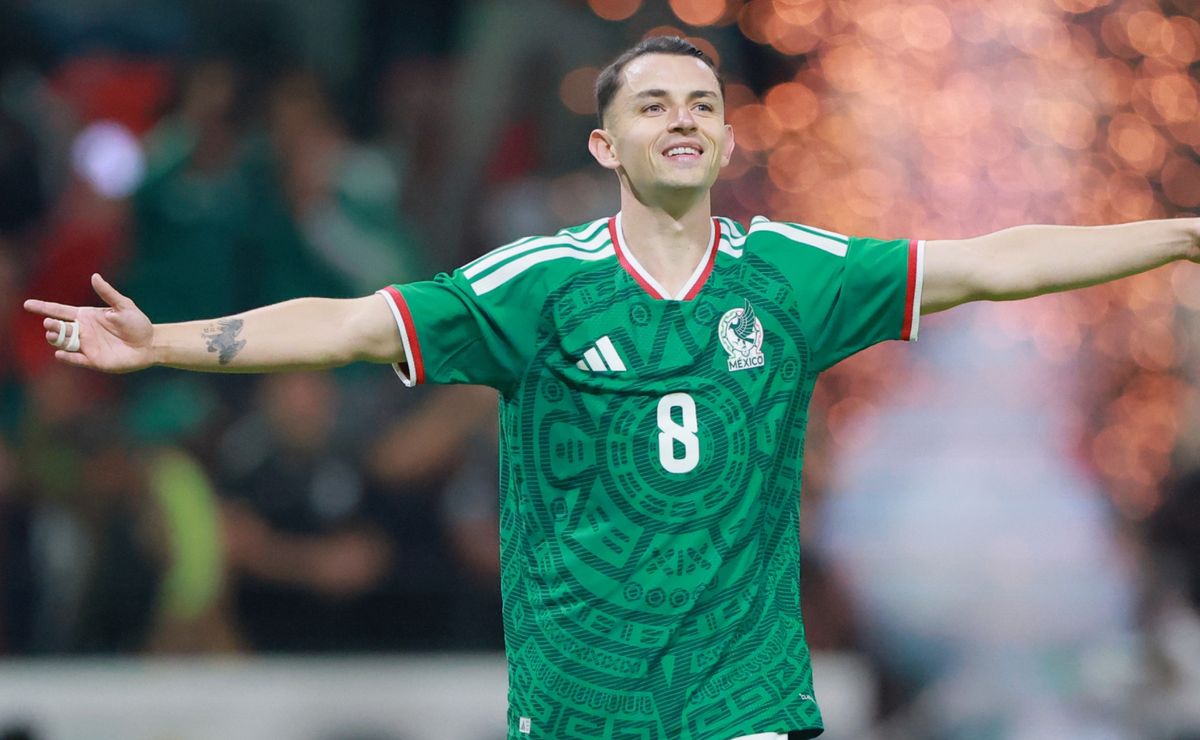
Mexico will face off against South Africa in Matchday 1 of the FIFA World Cup group stage. Here’s everything you need to know about watching this matchup live in the United States. Here are all of the details of where you can watch Mexico vs South Africa on US television and via legal streaming: WHO Mexico vs South Africa WHAT 2026 World Cup WHEN 3:00pm ET / 12:00pm PT • Thursday, June 11, 2026 WHERE Fubo, DirecTV Stream, Sling, Peacock Premium, FOX, Telemundo, Hulu + Live TV and Tubi STREAM WATCH NOW Match Overview As a host nation, Mexico enters the opening match of the 2026 tournament with the full weight of expectation on its shoulders. Coming off a dominant 2025 Gold Cup victory, El Tri is under immense pressure to kick off its campaign with a statement win in front of a passionate home crowd at the legendary Estadio Azteca. Anything less than three points will be seen as a significant setback. South Africa arrives in Mexico City as the clear underdog, tasked with silencing nearly 90,000 fans. However, the Bafana Bafana are not to be underestimated, having navigated a tough African qualification group that included Nigeria. Their disciplined and organized approach could frustrate the hosts, as they look to absorb pressure and spring a historic upset in the competition’s first game. Tactical Analysis & Match Context The two teams arrive via different paths. As a co-host, Mexico bypassed the grueling qualification process, instead proving its mettle by winning the 2025 Gold Cup. That tournament run showcased an attacking, possession-heavy style. In contrast, South Africa earned its spot through a rigorous campaign, building a resilient defensive identity that saw them concede very few goals. The tactical battle will likely pit Mexico‘s offensive firepower against South Africa‘s disciplined defensive block. During their Gold Cup triumph, Mexico averaged over 61% possession and 14 shots per game, demonstrating a clear intent to dominate opponents. South Africa will likely cede possession, stay compact, and look to exploit any openings on the counter-attack, a strategy that served them well in qualifying. For Mexico, the motivation is simple: capitalize on home advantage and set the tone for a deep run in the tournament. The pressure to perform at home is immense, as is the desire to avoid the fate of past hosts who stumbled early. For South Africa, a positive result would be monumental, providing a crucial foundation in a competitive group where a third-place finish could be enough to advance to the knockout stages for the first time in their history. Head-to-Head Record & Historic Trends Historically, this has been an incredibly tight fixture, though the teams have only met twice in official competitions. Surprisingly, Mexico has never defeated South Africa. The Bafana Bafana hold a narrow advantage with one win and one draw across their two encounters, giving them a psychological edge despite their underdog status. The most recent and memorable clash was the opening match of the 2010 tournament in South Africa, which ended in a thrilling 1-1 draw. That day, a spectacular goal from Siphiwe Tshabalala was canceled out by an equalizer from Rafael Márquez. Prior to that, the teams met at the 2005 Gold Cup, where South Africa secured a 2-1 victory. Key trends show that goals are a feature of this matchup, with both teams finding the net in each of their previous meetings. Mexico‘s overall tournament record against African nations is modest, with just one win in four attempts. Meanwhile, South Africa‘s only game against a CONCACAF opponent in this competition was that famous 2010 draw against Mexico. Squad News & Projected Lineups Both managers are expected to have nearly full-strength squads available for this crucial opening match, setting the stage for a high-stakes tactical showdown. For Mexico, coach Javier Aguirre reports no significant injury concerns, allowing him to field a strong and familiar lineup. The team is expecte
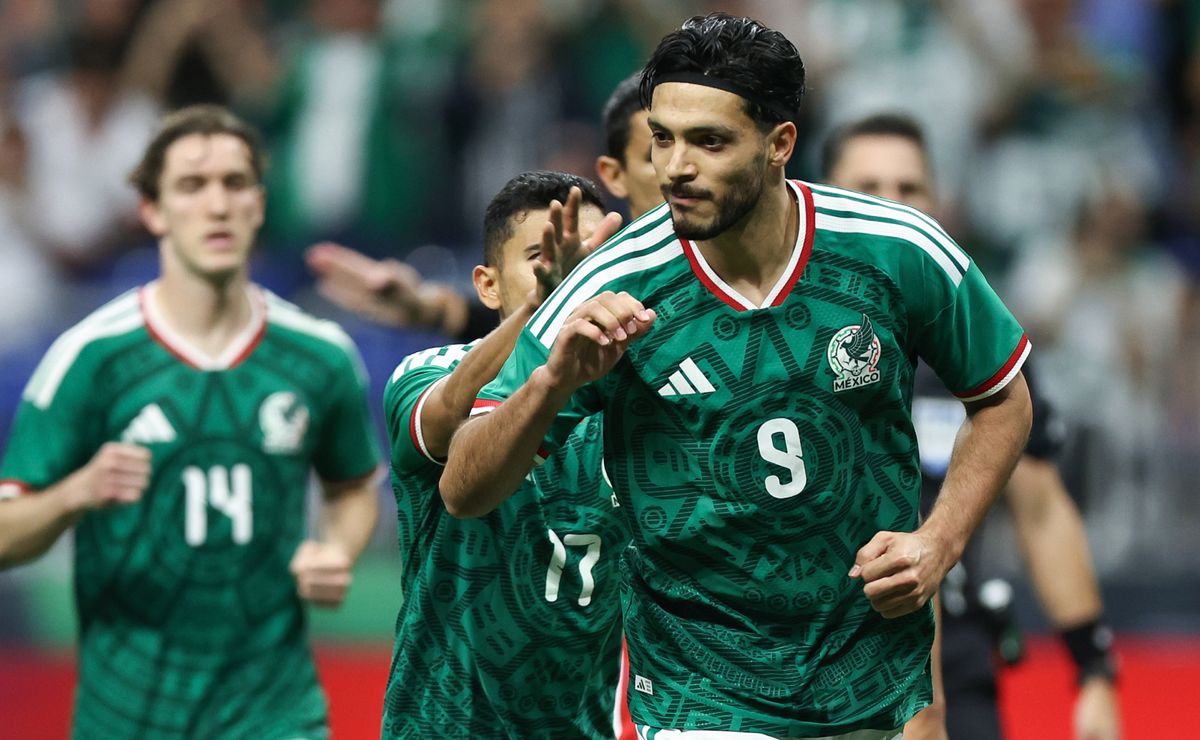
Full preview of Mexico for the 2026 tournament, including squad breakdown, key players, and tactical analysis of their chances. As the most prominent of the three co-hosts for the 2026 global tournament, Mexico faces immense pressure to outperform the United States and Canada. Currently ranked 15th globally, El Tri aims to erase the disappointment of their early exit in 2022 and reestablish themselves as the dominant force in North America. Following a successful 2025 Gold Cup campaign, the team has found renewed stability. This World Cup 2026 team preview explores the squad’s realistic chances on home soil. As one of the most closely watched international soccer teams 2026 has to offer, we will break down their defensive tactical setup, the leadership of their veteran coach, the depth of their roster, and their outlook in the group stage. Team profile CoachJavier AguirreCaptainEdson AlvarezNicknameEl Tri, El TricolorFIFA Ranking15thConfederationCONCACAFGroupGroup ABest Tournament ResultQuarter-finals (1970, 1986)Tournament Appearances18Last Appearance2022 (Group Stage) How Mexico play Under their current leadership, Mexico has transitioned away from a purely expansive attacking style toward a more pragmatic 4-3-3 Mexico formation. This system is specifically designed to handle the grueling physical demands of international tournament soccer. In possession, the team relies heavily on their central striker dropping deep to hold up play and distribute the ball to direct, pacey wingers. Defensively, El Tri prioritizes a solid structure over high-risk pressing. They showcased this defensive organization during the 2025 Gold Cup, allowing just 2.1 expected goals against (xGA) throughout the competition and keeping four clean sheets. The team often struggles to generate central creativity from the midfield, placing a heavy burden on wide players like Roberto Alvarado to cut inside and create scoring opportunities. Without a reliable link between the defense and the forward line, the attack can look disjointed against opponents utilizing a low defensive block. This pragmatic approach could make them tough to break down but might limit their scoring potential in tight knockout matches. Javier Aguirre: The coach behind Mexico Javier Aguirre is currently in his third stint managing the national team. Hired in mid-2024 to stabilize a struggling program, the Mexico coach immediately injected defensive discipline and a clear identity into the squad. The veteran manager brings extensive international experience, having previously guided El Tri through two successful qualification cycles. As a player, he earned 59 caps and represented his country during the 1986 tournament on home soil. Javier Aguirre, coach of Mexico (Hector Vivas/Getty Images) Aguirre is widely respected for his pragmatic approach and ability to organize teams quickly. Under his direction, Mexico reclaimed regional dominance by winning the 2025 Nations League and Gold Cup. His leadership will be crucial in helping the team navigate the immense pressure of playing in front of expectant home crowds. Key player: Raul Jimenez Raul Jimenez remains the most critical component of the Mexican attack. When discussing Mexico key players, the 34-year-old striker stands out, having earned 123 caps and scored 44 goals for his country, placing him third on their all-time scoring list. Entering the summer tournament, Jimenez is in excellent form. He netted 24 goals across all competitions over his last two club seasons and scored seven times in seven competitive international matches in 2025. His aerial ability, clinical finishing, and defensive work rate make him an ideal fit for the national team’s system. Tactically, Jimenez is the focal point. His ability to pull opposing center-backs out of position creates crucial space for wide attackers. If he were to suffer an injury, the team lacks another proven goalscorer with the same physical presence, which would severely hinder their atta
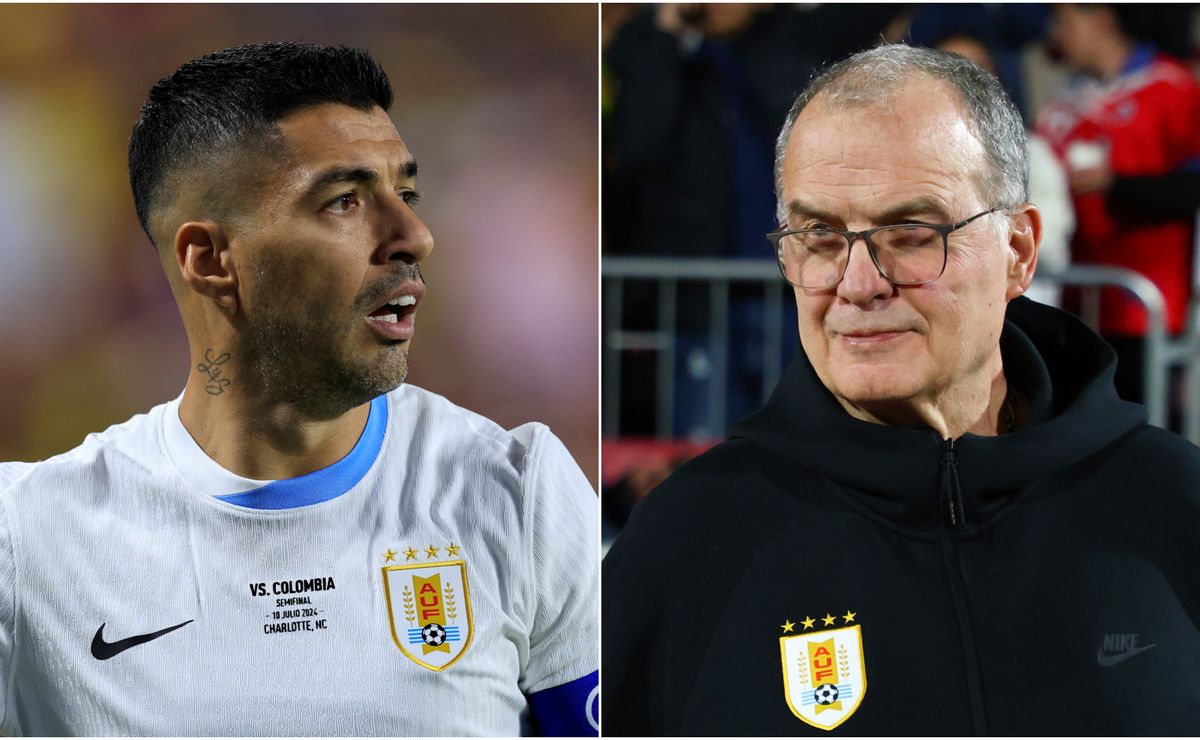
Uruguay manager Marcelo Bielsa revealed the tactical reasons behind his decision to leave veteran striker Luis Suarez off the 2026 World Cup roster. Following a turbulent period where Luis Suarez publicly criticized Marcelo Bielsa’s managerial methods—alleging mistreatment of players and staff during the 2024 Copa America—the veteran forward unexpectedly offered his services to the manager for the upcoming 2026 World Cup. The Inter Miami striker expressed his willingness to reverse the international retirement he had announced in September 2024, following a World Cup qualifying match against Paraguay at the Estadio Centenario. However, Bielsa omitted Suarez from both the provisional roster and the final 26-man squad announced last Sunday. During a press conference, Bielsa addressed his decision to move forward without Suarez, who had previously noted that he had apologized to the staff members involved in the past dispute. “He communicated that he was willing to contribute by returning to the national team, which I always understood as a valuable and sincere statement,” Bielsa told reporters. Números confirmados para la Copa Mundial de la FIFA 2026 🔢 pic.twitter.com/G6hWvzBGXR— Selección Uruguaya (@Uruguay) June 2, 2026 However, the Argentine manager emphasized that his roster choices are strictly dictated by what he believes is best for the team’s competitive future, opting to prioritize other options in the attack. “I have no personal issues with Suarez, but I chose to select Darwin Nuñez, Federico Viñas, and Rodrigo Aguirre,” Bielsa concluded. “These are decisions where I am guided by nothing other than what I consider best for the sporting success of the team”. Inside the conflict between Suarez and Bielsa Suarez’s international retirement on September 6, 2024, following a scoreless draw against Paraguay, was quickly overshadowed by a media storm that directly impacted Bielsa and several current national team players. Just one month after his emotional farewell match, the Inter Miami striker aired grievances regarding the manager’s behavioral conduct during the tournament in the United States, claiming that Bielsa’s harsh treatment extended to players and Uruguayan Football Association (AUF) staff alike. While a few squad members validated portions of Suarez’s account, Bielsa maintained the backing of key veteran leaders and the AUF executive board. Backed by strong results in the CONMEBOL qualifying standings, Bielsa successfully navigated the internal friction to secure Uruguay‘s ticket to the World Cup, where the Celeste will compete in Group H against Spain, Saudi Arabia, and Cape Verde. By missing out on the final roster, Suarez—who previously featured in South Africa 2010, Brazil 2014, Russia 2018, and Qatar 2022—loses his bid to join the elite group of players who have appeared in five different World Cup tournaments.

El Tri reached the quarter-finals the last time they hosted the tournament. They’re hoping old methods can revive the team after a disastrous outing in 2022It was January 1986 and the temperature at the peak of La Malinche, one of Mexico’s tallest mountains, had plummeted to a bone-chilling cold. A group of soccer players training for that year’s World Cup ran through a dense fog to the summit 14,600ft above sea level gasping in the thin air. Their Serbian coach, Bora Milutinović, had pushed his players to the limit, seeking not only to test their physical endurance but also hoping for a psychological breakthrough. Up there, the Mexico players suffered, shivered and cursed. But through hardship they became a family. That fabled image of survival on the mountain became the foundation for Mexico’s best-ever World Cup performance, the last time they played on home soil and one of only two times El Tri reached the tournament’s quarter-finals.Forty years later, the myth of La Malinche hangs over Mexico’s preparation for this summer’s tournament, which once again will be played on home turf. The team’s coach, Javier Aguirre, was one of Milutinović’s players at the 1986 World Cup and he has seemingly been inspired by the old belief that isolation and shared struggle can work miracles. At Aguirre’s urging, the Mexican Football Federation – just as it had in 1986 – took the controversial step of removing national team players from their clubs during the most decisive phase of the Liga MX playoffs. By the time the World Cup kicks off on 11 June, the players will have been sequestered together for 30 days. Continue reading...

The co-hosts are likely to put pragmatism above style under Javier Aguirre in a home atmosphere that can be both an inspiration and a burdenThis article is part of the Guardian’s 2026 World Cup Experts’ Network, a cooperation between some of the best media organisations from the 48 countries who qualified. theguardian.com is running previews from three countries each day in the run-up to the tournament kicking off on 11 June. Continue reading...