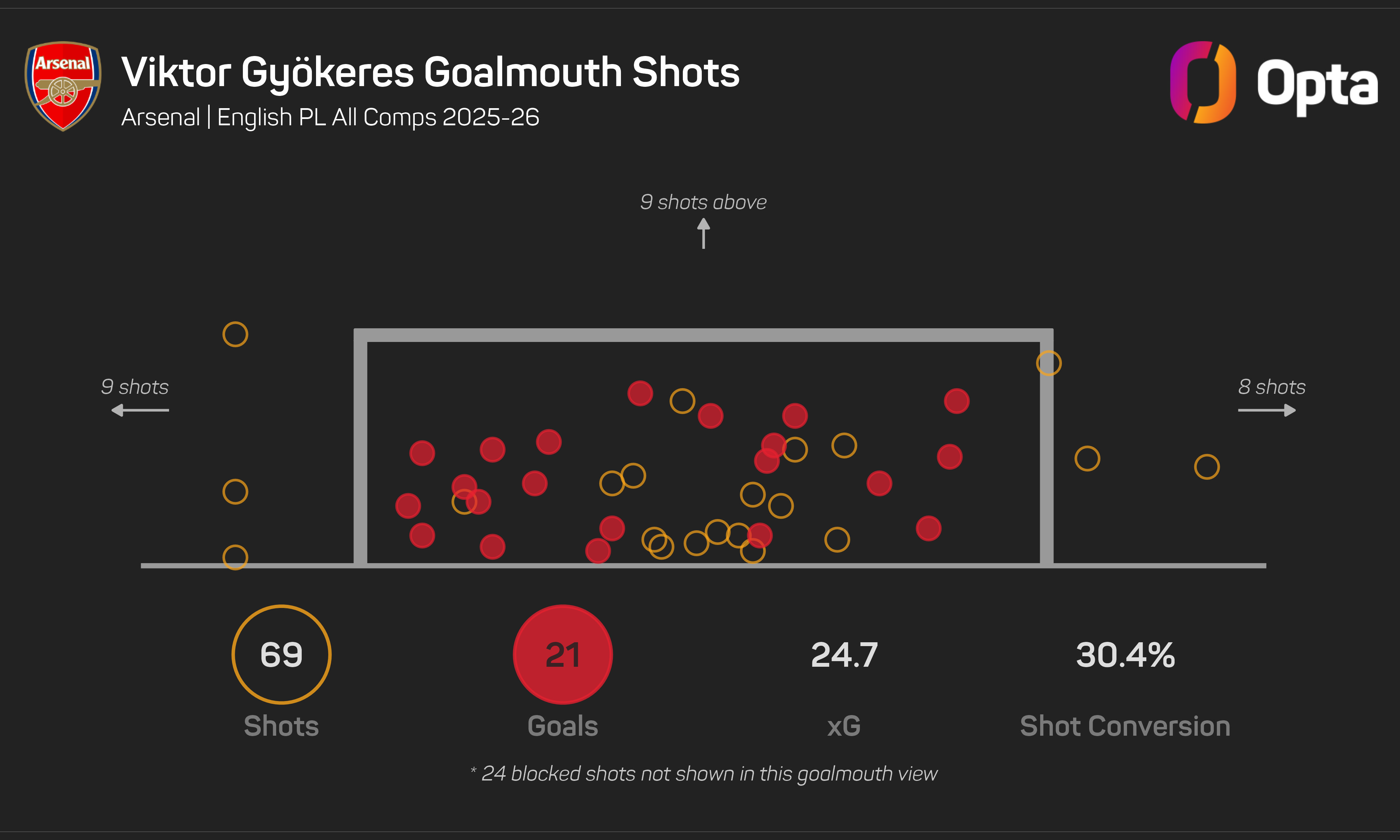

Arsenal · UEFA Nations League · Attacker · #14 · Sweden · 27 yrs
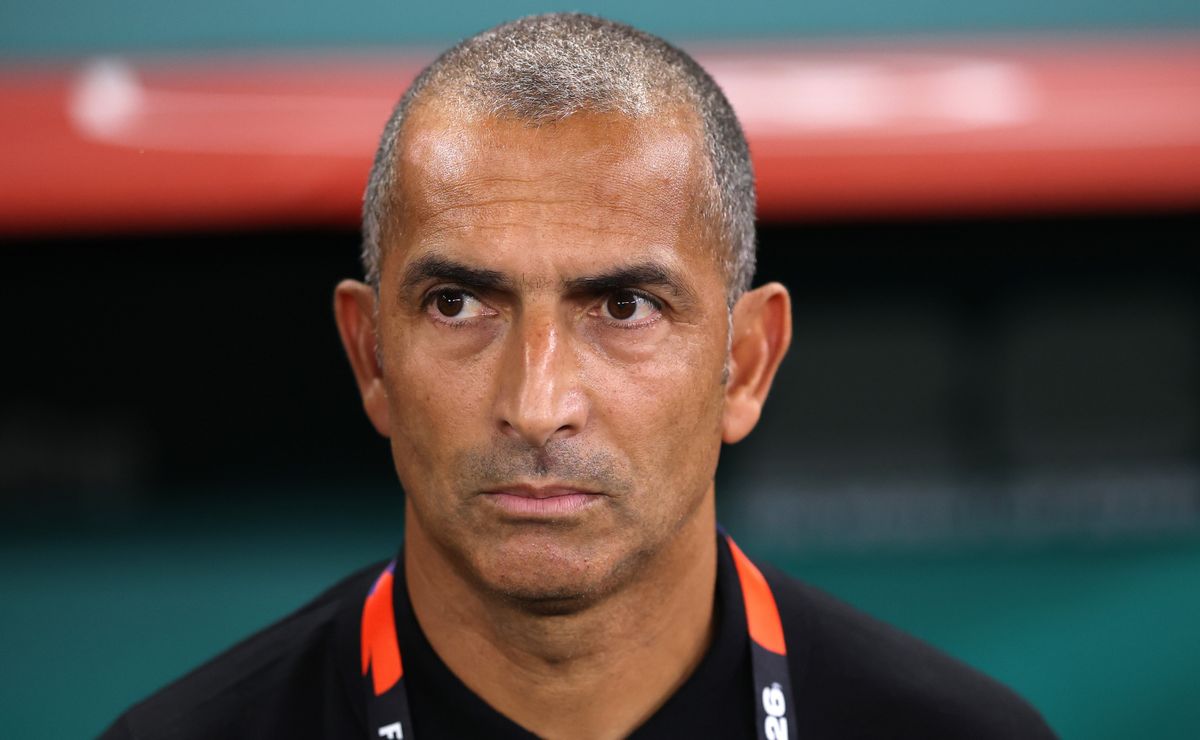
Tunisia has reportedly sacked head coach Sabri Lamouchi just one game into the 2026 World Cup following a humiliating 5-1 loss to Sweden in Group F. The Tunisian Football Federation (FTF) has reportedly taken ruthless, historic action just one game into their campaign, parting ways with head coach Sabri Lamouchi following a catastrophic opening defeat. The decision represents one of the quickest managerial firings in modern World Cup history. Federation officials felt compelled to act immediately in an attempt to salvage what remains of their group stage cycle. The Carthage Eagles suffered a devastating 5-1 thrashing at the hands of Sweden at Monterrey Stadium. BBC journalist Romain Molina reported that the FTF had dismissed the 54-year-old head coach just hours after the defeat. Panic mode after Group F humiliation The scoreline completely demolished Tunisia’s defensive reputation, which had seen them advance through qualifying with immense stability. The tactical plan fell apart rapidly under heavy Swedish pressure. A series of individual errors left the Tunisian federation convinced that a total change in direction was required before their next group match. Defensive nightmares cost Lamouchi his job Tunisia’s afternoon went wrong from the start when Yasin Ayari fired home the opening goal just six minutes in. Alexander Isak doubled Sweden’s advantage on the half-hour mark. While defender Omar Rekik gave Tunisia temporary hope with a header before halftime, the second half brought an absolute collapse. Viktor Gyökeres claimed Sweden’s third before Mattias Svanberg and a second strike from Ayari completed the rout. According to reports from TSN, the heavy nature of the defeat prompted the federation to cut ties immediately. Lamouchi’s short-lived, chaotic tenure ends after just five international matches at the helm. Internal solution eyed to salvage the Group Stage The Tunisian Football Federation has moved quickly to establish an emergency hierarchy ahead of their next match. According to Tunisian outlet La Presse, the federation has held immediate consultations to steady the ship. Former national team boss Mondher Kebaier has emerged as the primary candidate to take immediate interim charge. Kebaier, who managed Tunisia from 2019 to 2022, is already physically present on-site with the Tunisian delegation in North America due to his current role as the federation’s Technical Director. This makes him the most practical plug-and-play option to handle the crisis. Tunisia now faces an uphill battle to stay alive in Group F. Following a 2-2 draw between the Netherlands and Japan in the other opening fixture, Tunisia sits dead bottom of the group with zero points and a grueling -4 goal difference. The incoming interim staff will make their dramatic debut on Sunday against Japan, where anything less than a victory could seal Tunisia’s elimination.
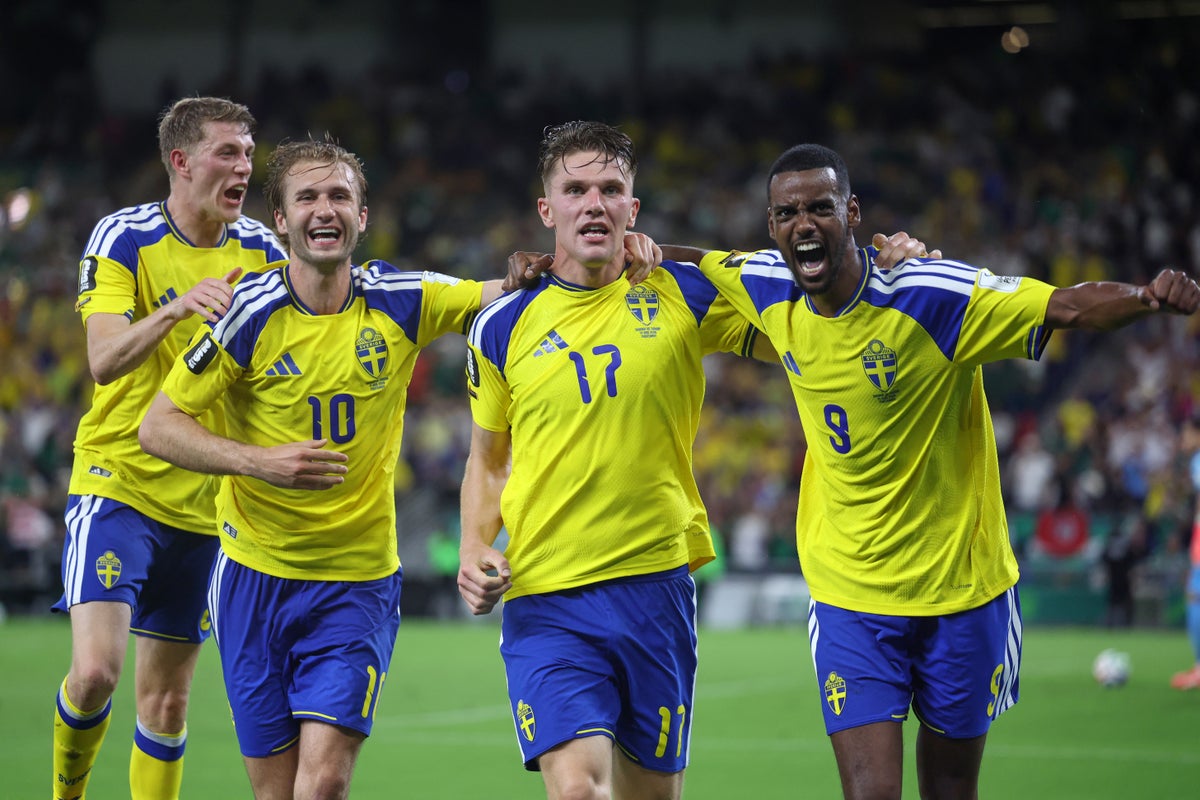
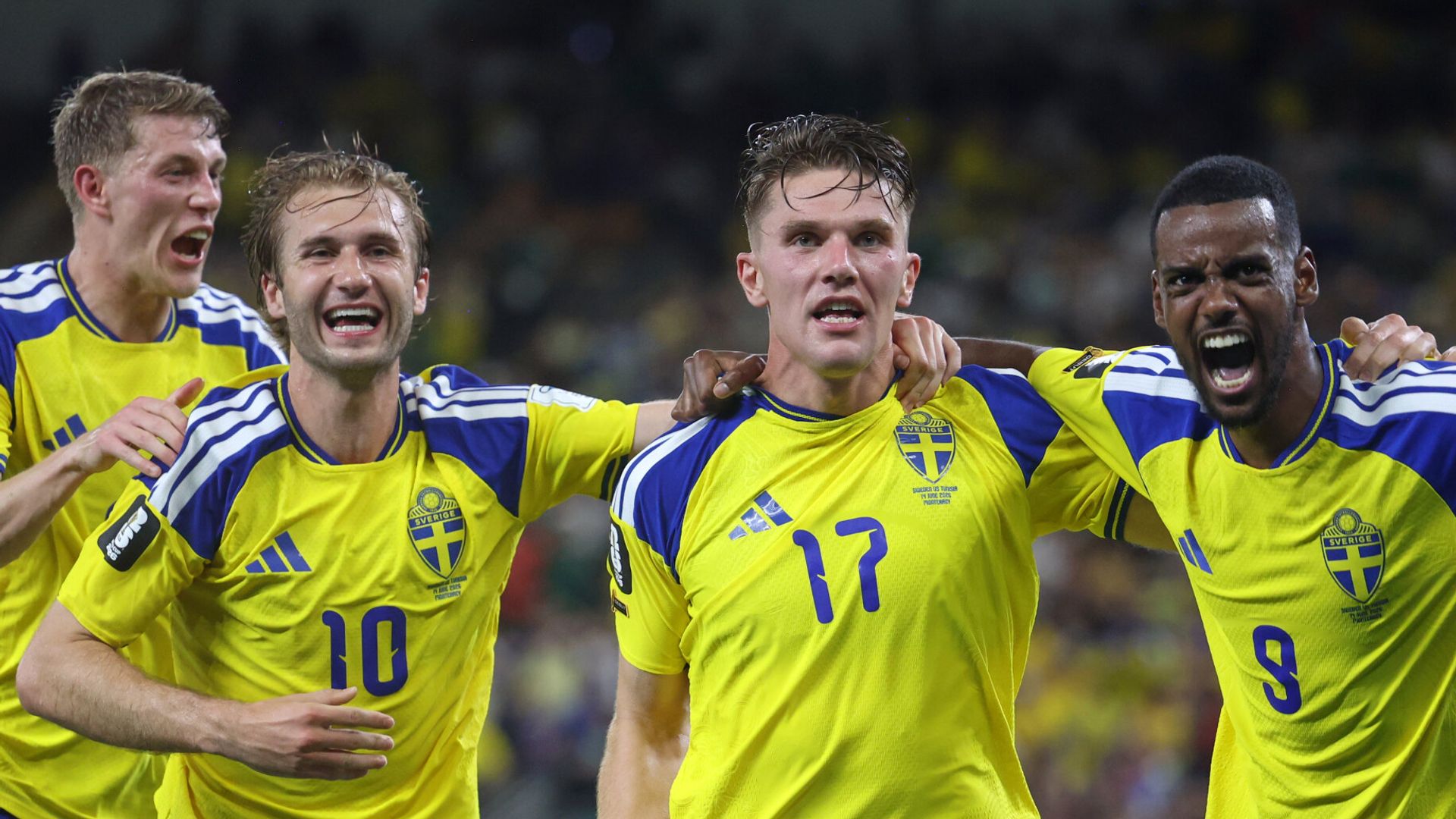
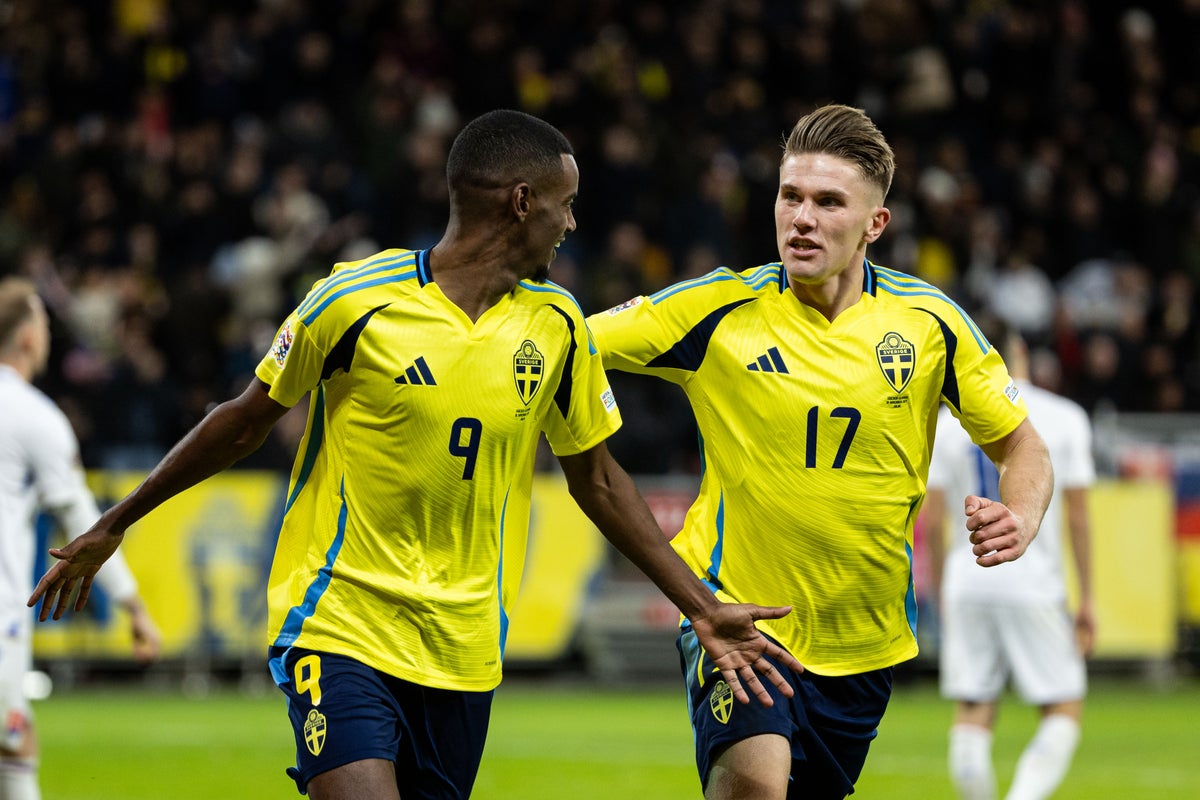
Arsenal's Viktor Gyokeres had a fine start to his 2026 World Cup campaign as Sweden beat Tunisia 5-1. The 28-year-old assisted Alexander Isak's first-half goal, and the Liverpool forward repaid Gyokeres by assisting him with his goal in the second half. Sweden sit two points clear in Group F after the Netherlands and Japan drew their opening game.

When they picture a messiah, few perhaps imagine a mild-mannered 51-year-old with a greying beard who used to play at left-back for York City. Certainly Chelsea and West Ham fans don’t. But the degree to which Graham Potter is loved in Sweden has to be seen to be believed. He was a down-on-his-luck manager seeking a new start; they were a country who didn’t win a single game in World Cup qualifying. And somehow they were perfect for each other. By the standards of what Potter has achieved over the past nine months, a comfortable win over a self-destructive Tunisia barely registers, but it is the continuation of a remarkable process of renewal.Sweden were awful in qualifying. They had a lot of injuries, it’s true, but two defeats to both Switzerland and Kosovo and two draws against Slovenia are not usually a route to the World Cup. Jon Dahl Tomasson was sacked as coach and Potter brought in. Sweden’s Nations League performances offered a repechage chance in the play-offs, and they took full advantage, beating Ukraine and Poland to secure their place at the finals. Potter described the latter victory, secured with an 89th-minute Viktor Gyökeres goal, as his best night in football. Sunday night was part of his reward. Continue reading...

Sweden claimed a commanding 5-1 victory over Tunisia in Monterrey, Mexico, taking a significant step toward Group F progression. Gyökeres, Isak, Ayari and Svanberg found the net for Graham Potter's side, with Omar Rekik's consolation goal proving insufficient to salvage a point for the North African underdogs.
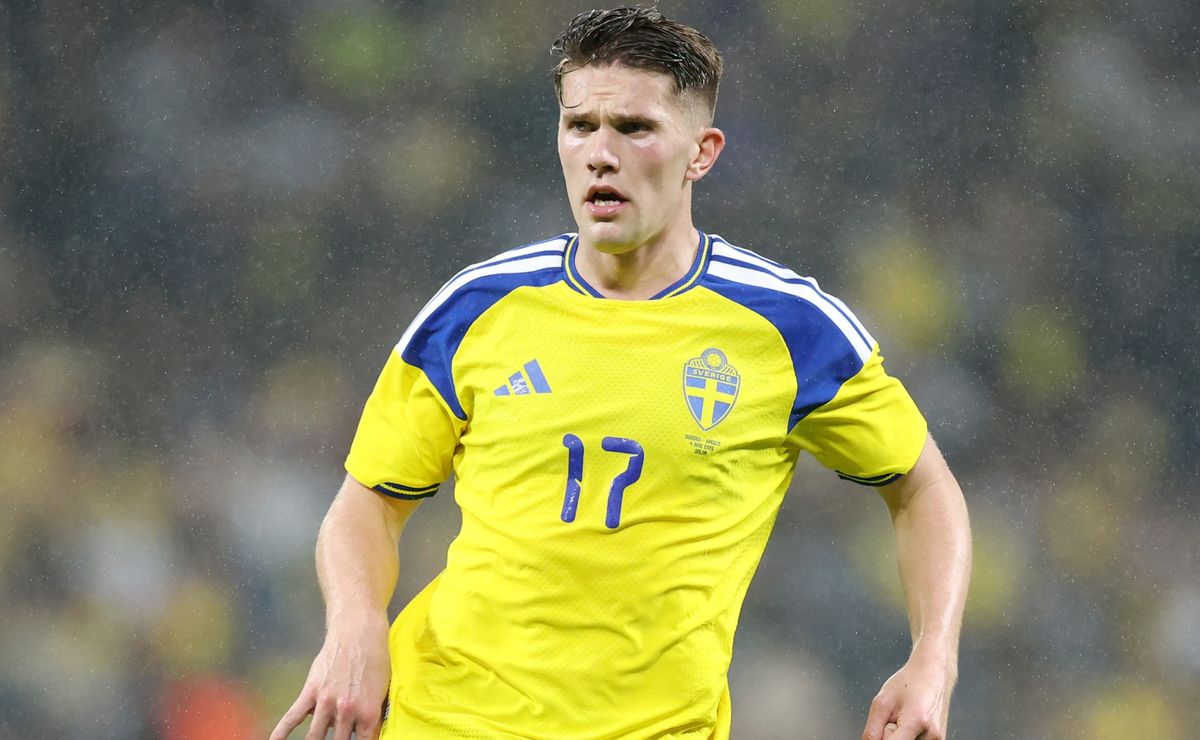
Sweden and Tunisia will square off in their FIFA World Cup group-stage opener on Matchday 1. Here's everything you need to know to watch the action live in the United States. Here are all of the details of where you can watch Sweden vs Tunisia on US television and via legal streaming: WHO Sweden vs Tunisia WHAT 2026 World Cup WHEN 10:00pm ET / 7:00pm PT • Sunday, June 14, 2026 WHERE Fubo, DirecTV Stream, Sling, Peacock Premium, FS1, Telemundo and Hulu + Live TV STREAM WATCH NOW Match Overview Sweden enters the 2026 tournament with significant pressure to perform after a turbulent qualifying campaign. Saved by their Nations League performance, the Swedes secured their spot through the playoffs under new manager Graham Potter. As the favorites in this opening match, there’s an urgent need to shake off recent inconsistencies and make a statement win to build momentum in a fiercely competitive group. For Tunisia, this match represents a golden opportunity. The Eagles of Carthage were defensively flawless during their African qualifying run, but this competition is a massive step up in quality. Considered outsiders in Group F, securing a result against Sweden is almost a prerequisite for any hope of advancing to the knockout stages for the first time in their history. The stakes couldn’t be higher for either side. Tactical Analysis & Match Context The two nations arrive in North America on the back of vastly different journeys. Sweden failed to win a single match in their qualifying group, relying on a playoff lifeline to advance. In contrast, Tunisia dominated their African qualifying group, winning nine of ten games without conceding a single goal. However, Tunisia‘s record came against weaker opposition, and this match will be the true test of their defensive resolve. The tactical battle promises a fascinating contrast in styles. Under Graham Potter, Sweden has often ceded possession, even against teams like Ukraine and Poland, preferring to strike decisively on the counter-attack. Tunisia, meanwhile, employed a more proactive, possession-based style in qualifying, pushing their full-backs high up the pitch. This could play directly into Sweden’s hands, creating space for elite forwards Alexander Isak and Viktor Gyokeres to exploit on the break. With powerhouse teams like the Netherlands and Japan also in the group, this opening fixture is a must-win for both nations. It represents the most straightforward path to three points on paper for each side. A loss would be a devastating blow to their chances of progressing, while a victory would provide a crucial foundation for the tougher challenges that lie ahead in the group stage. Head-to-Head Record & Historic Trends Historically, there is very little to separate Sweden and Tunisia, as they have never met in an official competitive match. Their four previous encounters were all international friendlies, with the most recent taking place over two decades ago in 2003, a game Tunisia won 1-0. Overall, Sweden holds a slight edge with two wins, one draw, and one loss. The four friendlies played between 1976 and 2003 offer a small glimpse into the matchup. Sweden secured narrow 1-0 victories in 1992 and 1999, while the first-ever meeting in 1976 ended in a 1-1 draw. These past results suggest a fixture that has historically been tight and contested closely, rather than a high-scoring affair. Looking at tournament trends, the data points to a challenging match for both. In their history at the global tournament, Sweden has drawn both of its matches against African opposition. Tunisia, on the other hand, has a difficult record against European teams, having won just one of their twelve previous encounters at the finals—a 1-0 victory over France in 2022. Squad News & Projected Lineups Both teams are heading into their tournament opener with key players expected to be ready for the crucial clash. For Sweden, the primary concern is a knock picked up by Anthony Elanga in a warm-up game, leavi
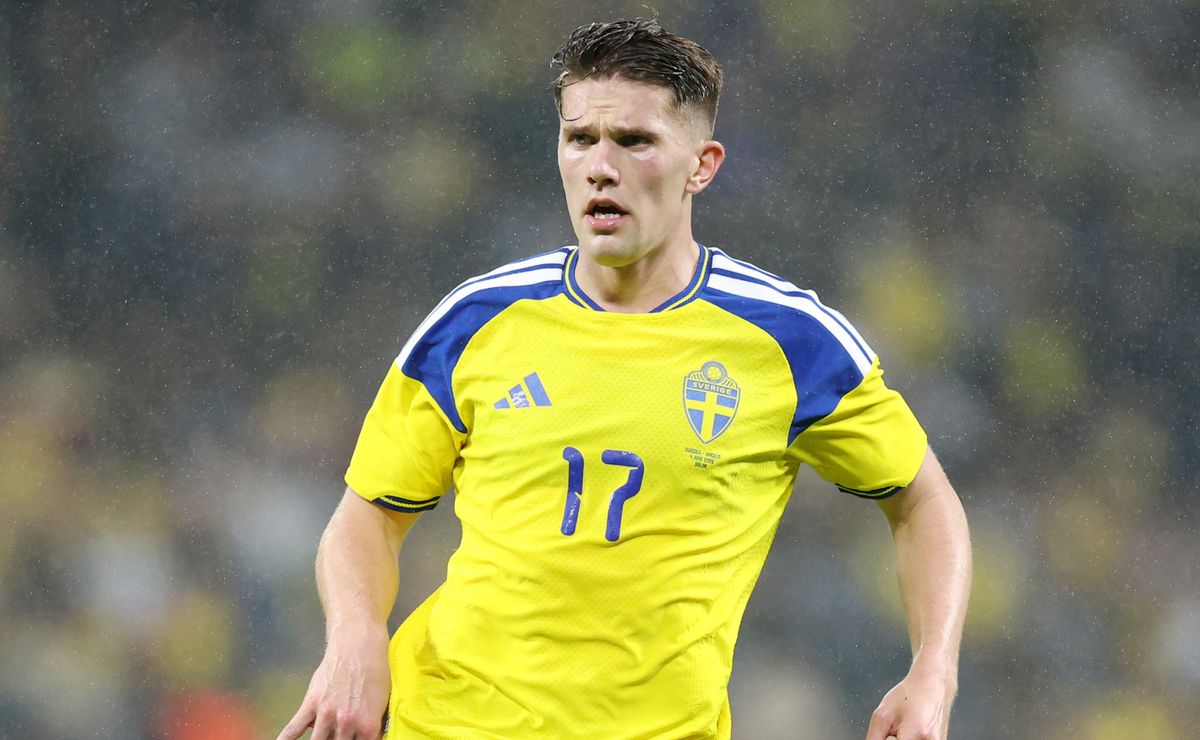
Full preview of Sweden for the 2026 World Cup, including squad breakdown, key players, and tactical analysis of their chances. Sweden enters the 2026 tournament as an intriguing unknown following a dramatic turnaround. As one of the most unpredictable FIFA World Cup 2026 teams, the Blågult (Blue and Yellow) found their footing at the exact right moment to secure a spot in North America. Currently sitting 38th in the global rankings, the squad boasts an elite attacking duo in Viktor Gyökeres and Alexander Isak. Their lethal combination up top gives the team a chance to trouble the world’s best defenses this summer. This World Cup 2026 team preview breaks down everything you need to know about the Swedish national team. We will provide a complete Sweden tactical analysis, dive into the roster depth, and evaluate their challenging group-stage outlook. Team profile CoachGraham PotterCaptainVictor LindelöfNicknameBlågult (The Blue and Yellow)FIFA ranking38thConfederationUEFAGroupGroup FBest World Cup resultRunners-up (1958)World Cup appearances12Last World Cup appearance2018 How Sweden play Under Graham Potter, the preferred Sweden formation attempts to transition toward a more possession-based, progressive style of soccer. The team generally looks to build out from the back and utilize flexible positioning to break down opposing defenses. However, their recent playoff performances showed a reliance on quick transitions rather than sustained possession. Against Ukraine, they held the ball for just 32% of the match, relying heavily on counter-attacks to exploit high defensive lines. Their primary tactical strength lies in feeding their center forwards. By playing direct passes into the channels, they allow Sweden key players like Anthony Elanga and Gyökeres to stretch the field and create space for trailing midfielders. Defensively, the squad has shown vulnerabilities, conceding an average of 2.0 goals per 90 minutes during the initial group phase of qualifying. They must tighten their defensive shape and improve their pressing structure to survive against elite international competition. Graham Potter: The coach behind Sweden Graham Potter took charge of the national team late in the qualification cycle, inheriting a squad in complete disarray. The English Sweden coach arrived with a reputation for tactical flexibility and progressive soccer. Potter is no stranger to Scandinavian soccer. He previously guided Östersund from the fourth tier of the Swedish pyramid all the way to European competition, establishing a deep connection with the country’s soccer culture. Known for his calm demeanor and ability to maximize squad potential, he quickly stabilized the locker room and navigated the high-pressure playoff matches. His tactical acumen and proven leadership will be the deciding factors in whether this roster can overachieve during the summer tournament. Key player: Viktor Gyökeres Viktor Gyökeres enters the 2026 tournament as the undisputed focal point of the Swedish attack. The Arsenal striker has translated his prolific club form to the international stage, scoring 19 goals in 32 appearances for his country. His incredible hat-trick against Ukraine in the playoff semifinal and an 88th-minute game-winner against Poland solidified his status as the squad’s most crucial asset. Physically imposing and deceptively fast, Gyökeres excels at running the channels and dragging center-backs out of position. This movement perfectly complements the national team’s transition-heavy tactical approach, creating massive pockets of space for his teammates. He thrives when facing high defensive lines, using his elite finishing ability to punish mistakes. Sweden’s road to the 2026 World Cup Sweden’s path to the North American tournament was nothing short of miraculous. The team finished dead last in their initial UEFA qualifying group, failing to win a single game while scoring just four goals and suffering four defeats. However, their previous succe