

Wow, just wow. At 1.57pm Atlanta time, 3,291 miles from home, the final whistle went on Cape Verde’s first game in a World Cup finals tournament – and they had only gone and done it.What they had done was madness: a tiny nation, a debutant, had held one of the favourites, Spain, the European champions, to a 0-0 draw. Bubista, the coach who had led them here, had said he wanted the world to see who and what they are – and, boy, did they see. Qualification, he had insisted, was more than football, it was music, it was culture, it was everything. So what was this? This was wonderful. What a moment and what a noise greeted the moment when the impossible had become real. Continue reading...
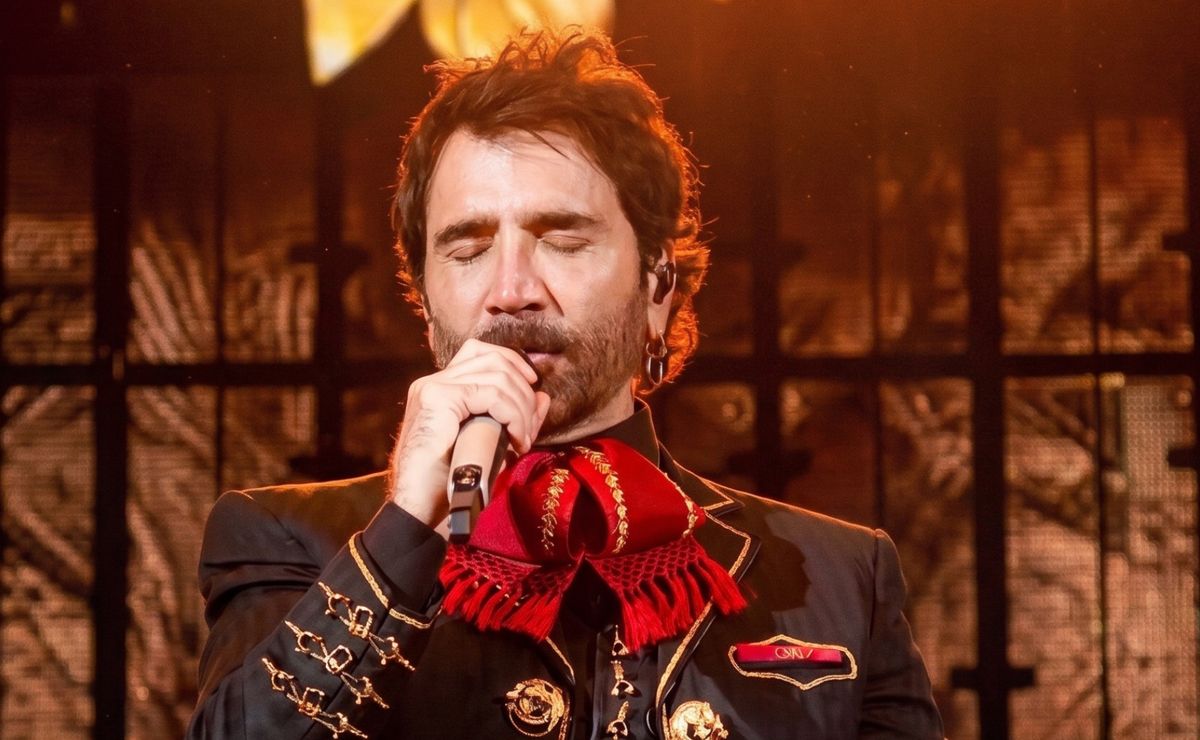
Alejandro Fernández has been officially confirmed by FIFA as the artist who will perform the Mexican national anthem at the 2026 World Cup opening match. After a four-year wait, the 2026 World Cup will officially kick off on Thursday, June 11, at the legendary Estadio Azteca as host nation Mexico squares off against South Africa in the tournament’s Group A opener. Ahead of the highly anticipated match, FIFA confirmed that Mexican icon Alejandro Fernández will have the distinct honor of singing the Mexican national anthem immediately following the conclusion of the opening ceremony. Joining him on the pitch will be global breakout star Tyla, who is scheduled to perform the national anthem for South Africa. Fernández stands as one of the most successful and influential figures in the history of Mexican music. Over his storied career, he has sold more than 35 million albums worldwide, taken home two Grammy Awards, earned multiple Latin Grammys, and received the prestigious Premio Lo Nuestro Excellence Award. The 55-year-old superstar also holds the incredible distinction of being the first artist to top the Billboard Top Latin Albums chart across four separate decades (the 1990s, 2000s, 2010s, and 2020s), a testament to his enduring global appeal cemented by his own star on the Hollywood Walk of Fame. Ver esta publicación en Instagram Una publicación compartida de FIFA World Cup (@fifaworldcup) The royalty of Mexican regional music Born in Guadalajara, Jalisco—the literal birthplace of mariachi—Alejandro Fernández is music royalty by blood. He is the son of the late, legendary Vicente Fernández, who is universally considered the greatest cultural icon of ranchera music to ever live. Stepping out from the shadow of such a global star is a challenge that has broken many legacy artists, but Alejandro successfully carved out his own unparalleled career. Affectionately nicknamed “El Potrillo” (“The Colt”), he has spent over three decades blending traditional mariachi roots with contemporary pop ballads, transforming himself into one of the best-selling Latin music artists of all time. No stranger to the big stage While the 2026 World Cup opening match will draw one of the largest global television audiences of his life, Fernández is a seasoned veteran when it comes to massive, high-pressure sporting events. Way back in 1996, he was selected alongside iconic voices like Ricky Martin, Gloria Estefan, and Julio Iglesias to record “Puedes Llegar,” the official Spanish-language theme song for the Atlanta Olympic Games. Additionally, he has regularly stepped into the ring to perform ahead of major international boxing championship fights, meaning he knows exactly how to command the electric, high-stakes energy of a packed stadium.
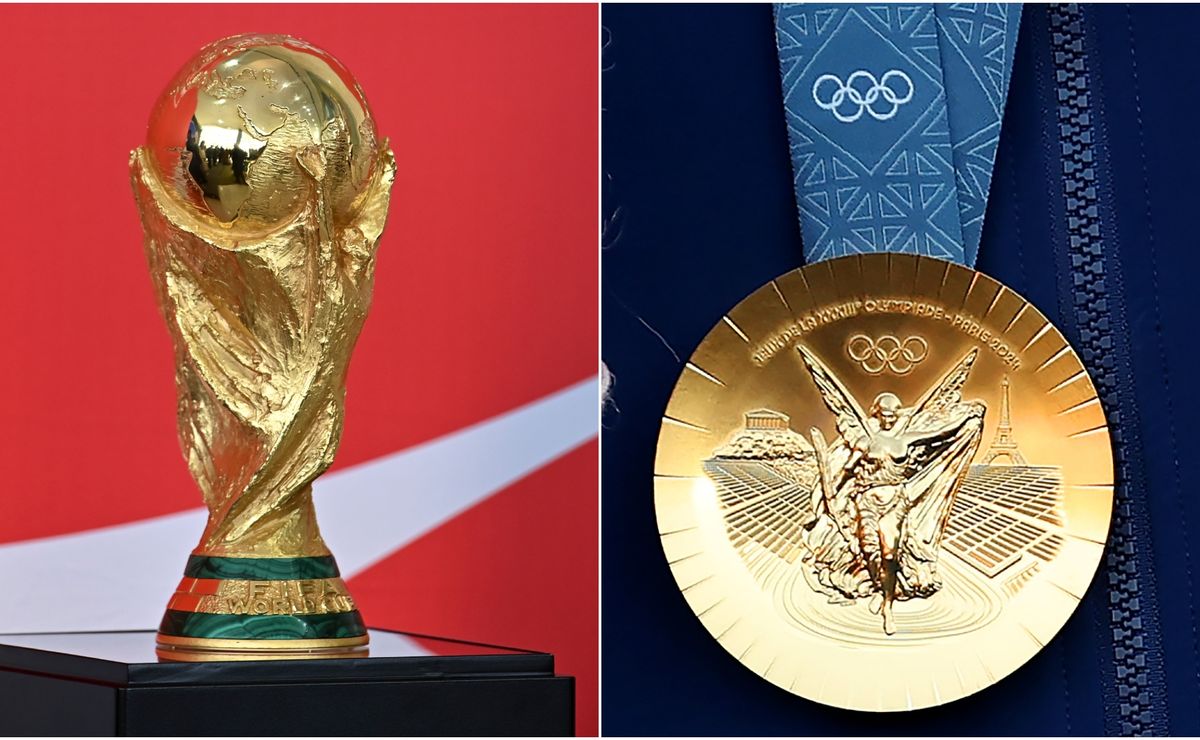
The Olympics could remove the age restriction in men’s soccer in an effort to make the competition more comparable to the FIFA World Cup. It is undeniable that the FIFA World Cup is the most important sporting event on the planet and, as such, the most prestigious soccer competition. The Olympics have traditionally played a secondary role in the sport, but that could change in the near future. “Soccer is the most important sport,” said Juan Antonio Samaranch Jr., vice president of the International Olympic Committee, this week at La Liga headquarters in Madrid, according to Diario AS. “We want the senior men’s competition to more closely resemble the World Cup.” In many disciplines such as basketball, volleyball, handball, and field hockey, the Olympics represent the most important international tournament, even above each sport’s respective world championships. That is not the case with soccer, and the IOC’s goal is to make the competition more appealing. At present, the key difference between Olympic soccer and the World Cup is the availability of top players. FIFA reserves the presence of the sport’s biggest stars for its own tournament, while the Olympics imposes an under-23 age limit, with only three overage players allowed per squad. Juan Antonio Samaranch Jr, vice president of the International Olympic Committee. By removing that age limit, the Olympics could significantly raise the level of competition by featuring each country’s top players. However, such a move would require an agreement between the IOC and FIFA. “Both organizations have their own objectives, but I believe we will make meaningful progress toward achieving them,” Samaranch said. Club release obligations, another obstacle for the Olympics Beyond the age restriction, Olympic soccer faces another major challenge in becoming more competitive: clubs are not required to release players. In official FIFA competitions, clubs must allow players to join their respective national teams. These are the so-called international breaks, during which World Cups, qualifiers, friendlies, and continental tournaments such as the UEFA Euro, Copa America, and Concacaf Gold Cup are played. Outside of those FIFA windows, clubs are not obligated to release players for international duty. That is the case with the Olympics, where participation often depends on the player’s insistence and the club’s approval. IOC proposal faces resistance Initial reactions from figures within FIFA’s hierarchy have not been favorable toward the idea of removing the age restriction in Olympic soccer. “It would further overload the calendar, reduce club revenues, and affect players’ rest,” said Javier Tebas, president of La Liga, according to Diario AS, regarding the possibility of elevating the Olympics. “It is fine as it is—it should not be like a World Cup.”

Every World Cup, from Uruguay and Italy in 1930 and 1934, to Russia and Qatar in 2018 and 2022, has been to an extent about presenting an image to the worldThis was originally published in the newsletter The World Behind the Cup. Sign up for it here.Football fans will be well aware that in 1930 Uruguay both hosted and won the first World Cup, but less well known is the diplomatic backstory of the country’s entry on to the international sporting stage. In the 1920s, Uruguay’s foreign minister, who led one of the country’s two rival football associations, coordinated with a diplomat serving in Switzerland to give his federation legitimacy by joining Fifa. The diplomat also entered Uruguay into the 1924 Olympic football tournament in Paris – which was emerging as the premier venue for global football. That provoked panic back in Uruguay: nobody had expected him to do that and nobody quite knew how they would afford it; a federation official ended up having to use his own house as collateral on a loan to pay for the team’s passage across the Atlantic.Once they got to Europe, Uruguay quickly won admiration. First in nine friendlies as they travelled through Spain and then at the Olympic Games itself, where they became by far the biggest draw. The great novelist Colette was even dispatched to the villa where Uruguay were staying to record her impressions for the newspaper Le Matin. Playing brilliant, coherent passing football, Uruguay took gold at the Games.This was originally published in the newsletter The World Behind the Cup. Sign up for it here. Continue reading...