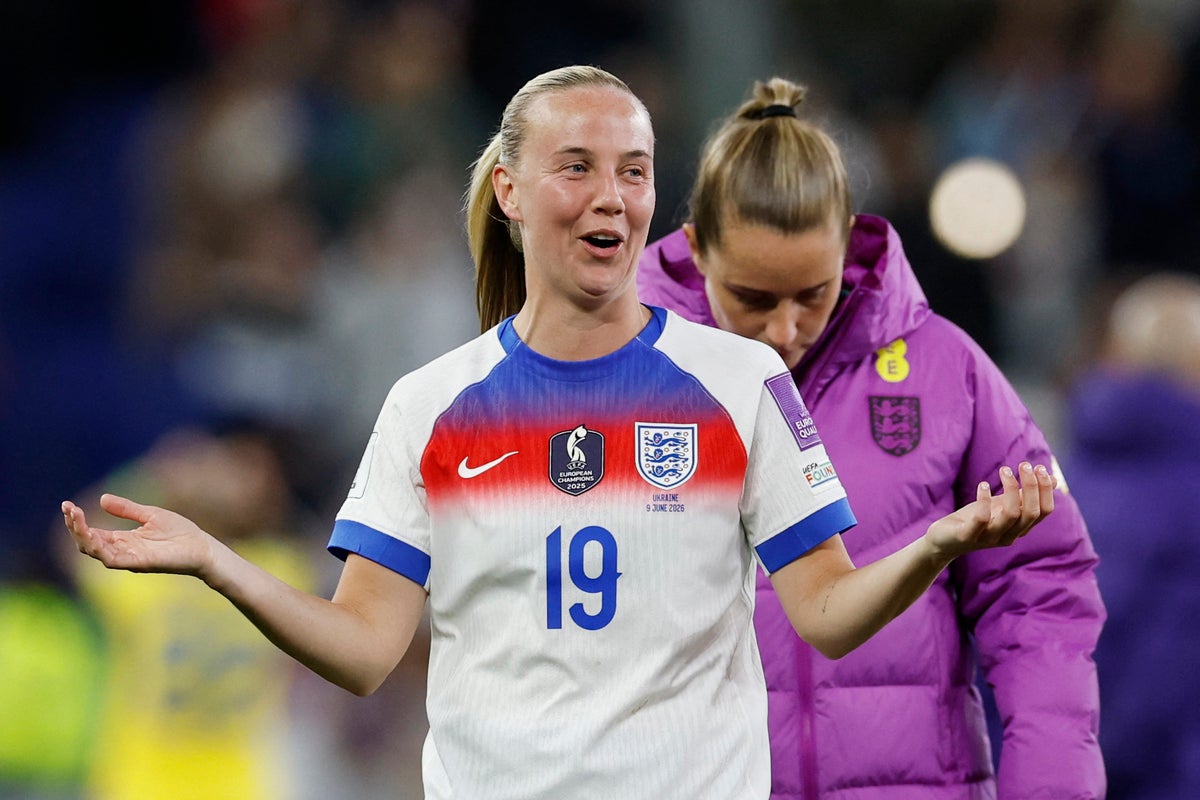

How foolish of me to think Arsenal’s Champions League loss was going to dampen my mood on the World Cup … The 2026 FIFA World Cup finally got underway on Thursday after years of anticipation. What promised to be the biggest World Cup, not only in team size, taking place across North America had big […]
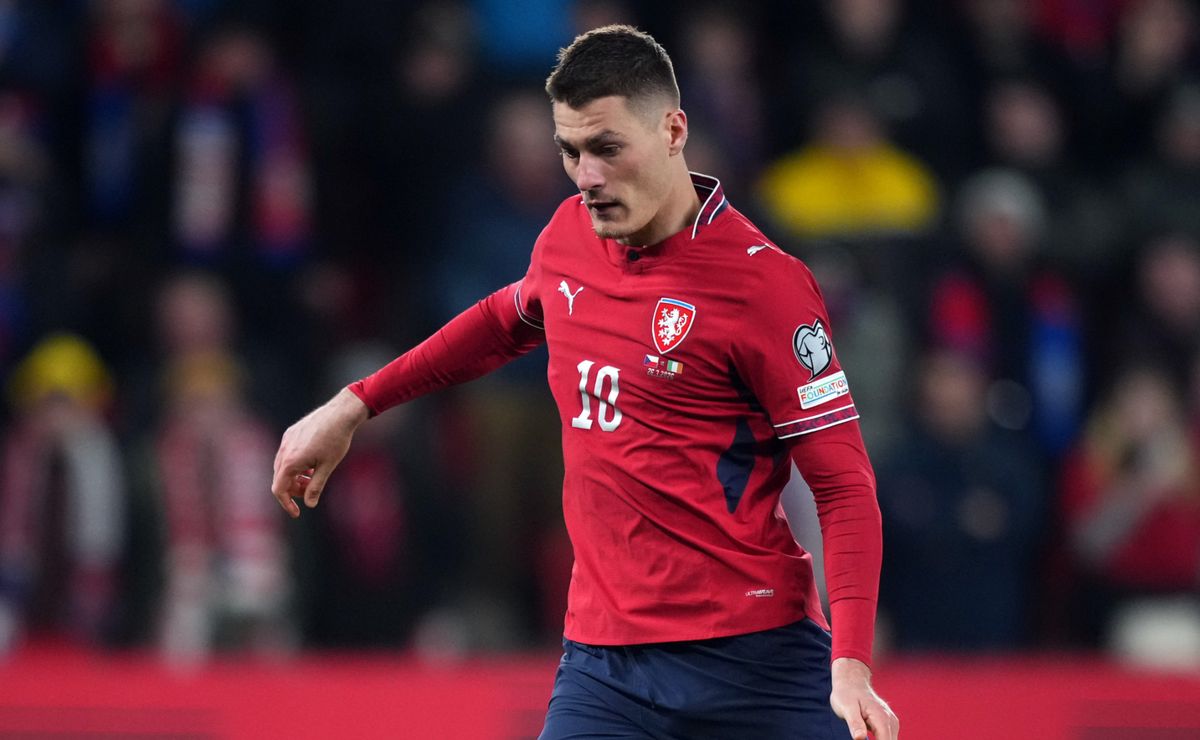
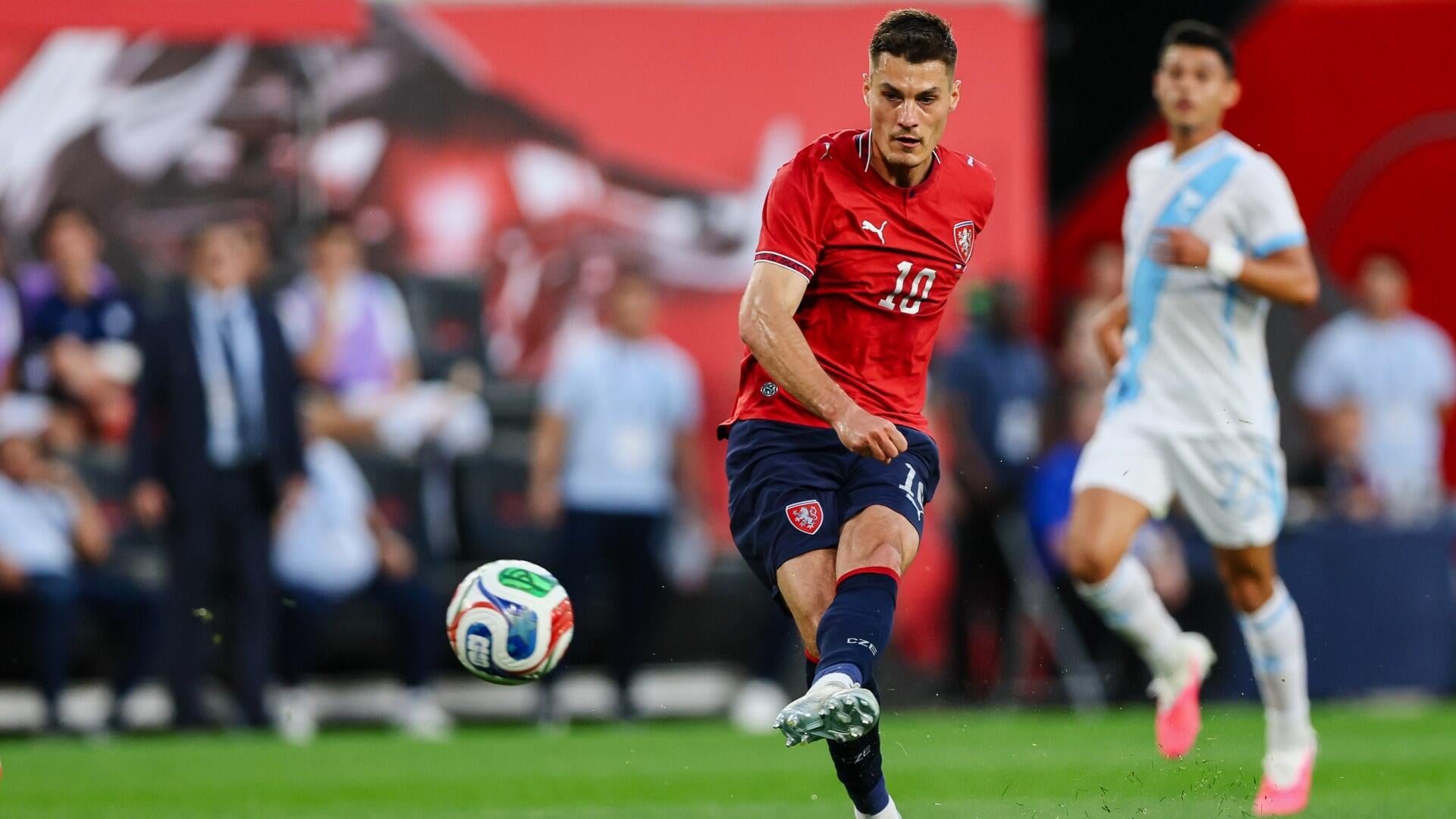
Full preview of Czechia for the 2026 World Cup, including squad breakdown, key players, and tactical analysis of their chances. After a 20-year absence, Czechia return to the global stage for the 2026 tournament in North America. Ranked 41st globally, the national team brings a disciplined, pragmatic approach to the competition. The squad relies heavily on structural solidity and set-piece efficiency rather than expansive attacking play. Led by an experienced coach and anchored by a core of European-based talent, Czechia present a difficult challenge for any opponent. This World Cup 2026 team preview explores how the European side plans to navigate the group stage. We will break down the Czechia 2026 World Cup squad, highlight the Czechia key players capable of making a difference, and provide a detailed look at their strategy on the field. Team profile CoachMiroslav KoubekCaptainTomáš SoučekNicknameNároďák (The National Team)FIFA ranking41stConfederationUEFAGroupGroup ABest World Cup resultRunners-up (1934, 1962 as Czechoslovakia)World Cup appearances9 (mostly as Czechoslovakia)Last appearance2006 How Czechia play The Czechia tactical analysis reveals a team built on defensive organization and physical dominance. Operating primarily in a disciplined 4-2-3-1 Czechia formation, the side prioritizes a compact low block over high possession numbers. They are comfortable absorbing pressure and frustrating technically superior opponents. When winning the ball, the team transitions quickly but relies heavily on dead-ball situations to generate scoring opportunities. During their qualification campaign, they led all European nations by scoring eight goals from set-pieces. The towering presence of players like Tomáš Souček and Patrik Schick makes them exceptional aerial threats. However, a lack of central creativity outside of Pavel Šulc can leave the attack looking one-dimensional. Opponents who defend set-pieces well may find it easy to stifle their forward momentum. Furthermore, a tendency to concede early goals remains a vulnerability that other international soccer teams 2026 will look to exploit. Ultimately, their rigid defensive structure and set-piece mastery make them a tough out, which could help them grind out crucial results during the tournament. Miroslav Koubek: The coach behind Czechia Appointed in late 2025, Miroslav Koubek brings decades of experience to the Czechia coach role. At 74 years old, he will become the oldest manager in tournament history when he leads the team in North America. Koubek stepped in after a turbulent qualifying period to restore belief and intensity within the squad. His coaching career spans over 40 years, largely in domestic soccer, including a recent successful stint with Viktoria Plzeň where he reached the later stages of European club competitions. Miroslav Koubek, Head Coach of Czechia (Lars Baron/Getty Images). His philosophy centers on pragmatism, defensive solidity, and maximizing the physical traits of his roster. Rather than overhauling the system, Koubek focused on instilling a resilient mentality. His ability to organize a fractured team quickly and navigate high-pressure situations will be the defining factor in how far this squad progresses this summer. Key player: Patrik Schick Bayer Leverkusen striker Patrik Schick is the focal point of the Czech attack. The forward recently became the first Czech player to score 100 goals across Europe’s top five leagues, cementing his status among elite goal scorers. Schick operates as the primary target man, utilizing his size and mobility to hold up play. His technical proficiency and lethal left foot make him dangerous inside the penalty area, while his aerial dominance perfectly complements the team’s set-piece strategy. He showcased his value by scoring a crucial penalty against Ireland during the qualification playoffs. Without Schick, the team lacks a reliable finisher and a central outlet for their direct style of play. His ability t