

Zulte Waregem · Jupiler Pro League · Attacker · #18 · Denmark · 23 yrs

Why is Edouard Mendy not playing for Senegal vs Iraq today? Get the official medical update on the goalkeeper's knee injury at the 2026 World Cup. Senegal face a massive tactical setback ahead of their final, high-stakes Group I clash against Iraq at BMO Field in Toronto. First-choice goalkeeper Edouard Mendy has been officially omitted from the starting lineup, leaving a massive structural void between the posts for the Teranga Lions. The Senegalese Football Federation (FSF) confirmed that the Al-Ahli custodian has been sidelined due to a left knee injury sustained during Monday’s grueling Matchday 2 defeat against Norway. The physical trauma occurred in the 63rd minute of the match at MetLife Stadium. After executing an aerial claim and landing awkwardly, the 34-year-old immediately signaled to the technical area in clear discomfort. Despite attempting to push through the pain barrier, Mendy was forced to walk off the pitch, prompting an immediate substitution for backup keeper Mory Diaw. Mendy’s injury: The official medical verdict Following extensive clinical tests conducted by the national team’s medical staff, the FSF issued a formal statement ruling the former Chelsea shot-stopper out of the group-stage finale. Initial assessments indicate acute joint trauma to the left knee, with medical specialists carrying out complementary examinations to determine the exact extent of the damage, specifically looking at the lateral ligament and cartilage stability. Edouard Mendy #16 of Senegal is helped by team staff as he leaves the pitch (Getty Images). “Following a left knee injury sustained during the match against Norway, Edouard Mendy will be unavailable for Senegal’s next game,” the federation noted. Captain Kalidou Koulibaly admitted the injury dealt a psychological blow to the squad, highlighting how vital the veteran keeper’s vocal command is to organizing their defensive block. Tactical reconfiguration for Pape Thiaw Mendy’s enforced absence forces manager Pape Thiaw to pivot to his reserve options at a moment where Senegal has absolutely zero margin for error. Having dropped their opening fixtures to France and Norway, the West African giants sit at the bottom of the section with zero points, meaning they must secure a comprehensive victory over Iraq to have any mathematical hope of advancing as one of the best third-placed teams. Le Havre goalkeeper Mory Diaw is thrust into the spotlight to command the penalty box today. While Diaw possesses excellent reflexes and domestic experience, replacing a two-time Africa Cup of Nations winner and UEFA Champions League champion in a World Cup elimination fixture represents a monumental challenge.
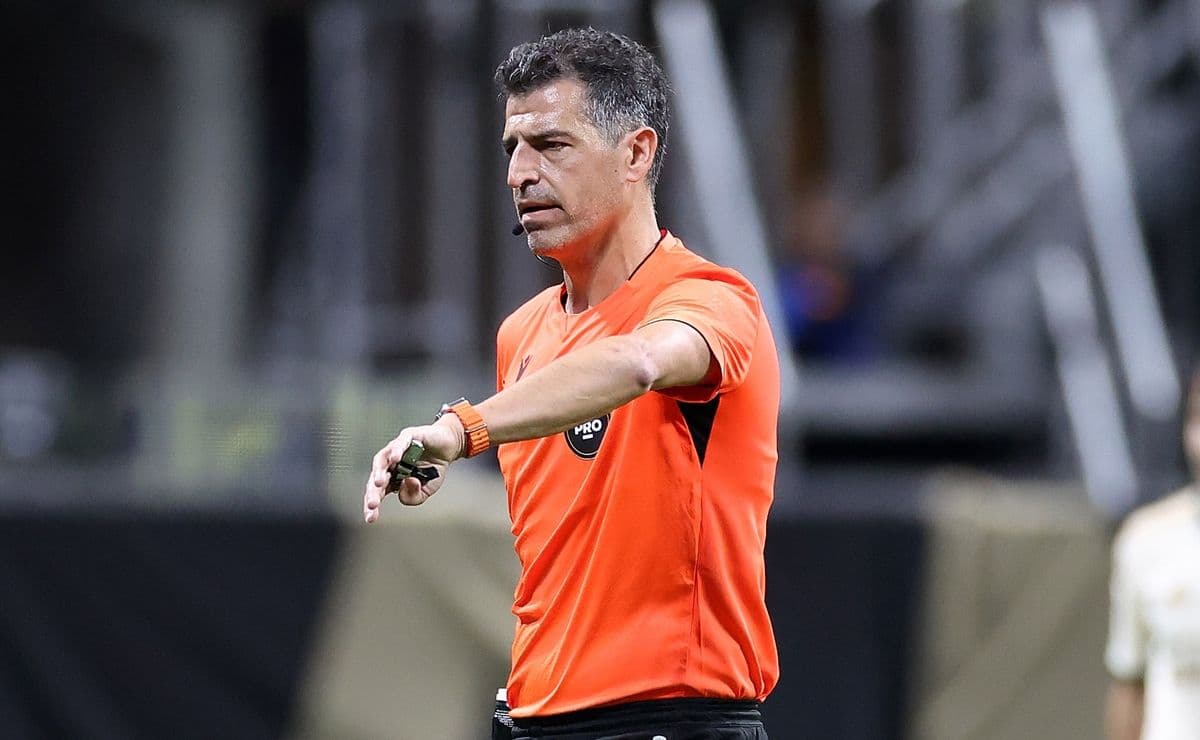
Major League Soccer could become the testing ground for a major rule change in soccer. Over the last several years, Major League Soccer has experienced enormous growth, establishing itself among the world’s most important leagues. However, it still features certain distinctive elements compared to the top soccer competitions in Europe and South America, something that could become even more pronounced with a potential rule change that MLS actually experimented with decades ago. “Major League Soccer has had discussions with the International Football Association Board, global football’s rule making body, about trialing the use of a stopped clock in matches,” British outlet The Guardian reported Wednesday. If this initiative moves forward, it would represent a major change for soccer. For more than a century, the sport has been defined by a timekeeping system in which the clock never stops regardless of what happens on the field, unlike virtually every other major sport. In addition, soccer’s clock runs upward from 0 to 45 minutes to mark the beginning and end of each half, rather than counting down to zero as happens in other sports — not only in the United States, but globally — such as basketball and field hockey. A scoreboard is displayed at the end of an MLS match between Toronto FC and Vancouver Whitecaps FC. The main criticism of this system is that actual playing time varies depending on the number and length of interruptions. At the same time, although referees add stoppage time as a remedy, that method often rewards teams that intentionally waste time in order to gain an advantage. MLS’ stance on the stopped clock The conversations surrounding the possible implementation of a stopped clock in MLS are not merely rumors, as league officials have publicly acknowledged the idea. “We’re open to trials around the world, and working with IFAB,” MLS vice president of competition Paul Grafer told The Guardian. “When are we going to move away from all of these stopgap procedures and see if we can address gamesmanship and match manipulation by having the referee have a [stopped] clock?” Grafer added, making his position on the issue clear. MLS has used a stopped clock before If the proposal to introduce a stopped clock moves forward, it would not be entirely new for MLS. When the league launched in 1996, the original system resembled those used in other American sports, with the clock stopping after every interruption to ensure full net playing time. However, that rule did not last long, as MLS adopted the globally used system in 1999.
Tap a headline to view metadata and excerpt fields in Sportra, then use the article website button to continue on the original publisher page.
